
Introduction
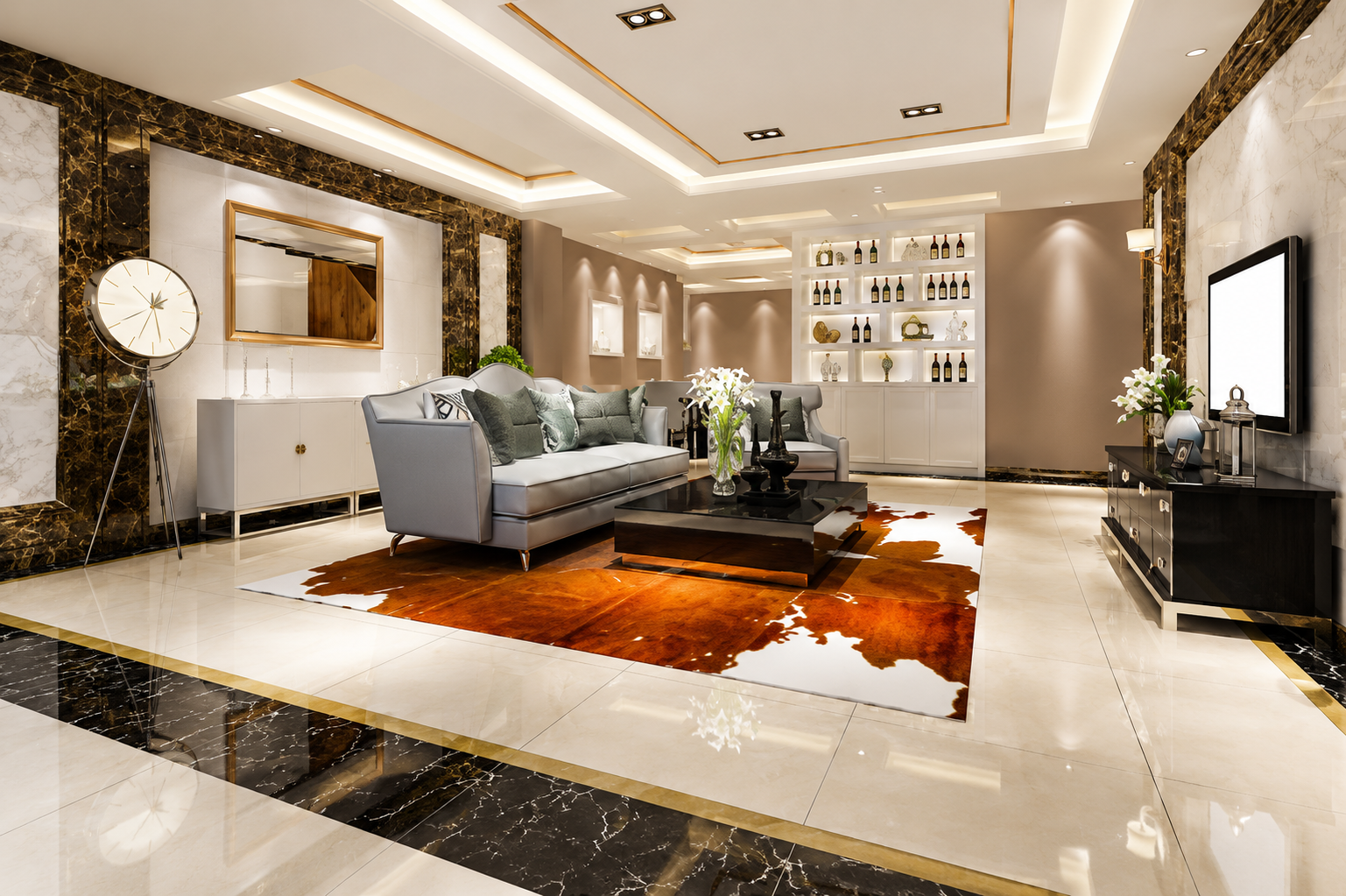
Interior design involves several important details that contribute to the overall appearance of a space. While furniture, lighting, wall colours, and decorative elements receive considerable attention, tile alignment also plays an important role in creating visually balanced interiors.
Properly aligned tiles create clean lines, consistent patterns, and a more organized appearance. On the other hand, uneven tile placement, irregular grout spacing, and poorly planned layouts can affect the visual harmony of an interior.
Whether it is a residential apartment, commercial property, kitchen, or bathroom, professional tiling helps create attractive and functional spaces. Careful planning and accurate installation are essential for achieving a smooth and consistent finish.
Why Tile Alignment Matters in Interior Design
Tile alignment determines how individual tiles connect to create a complete surface. When tiles are installed accurately, their edges and grout lines form consistent patterns that improve the appearance of floors and walls.
Proper alignment offers several advantages:
- Creates a neat and organized interior appearance.
- Maintains consistency across tiled surfaces.
- Improves the overall visual balance of a room.
- Helps achieve professional-looking flooring and walls.
- Supports a seamless transition between adjoining spaces.
Professional tiling requires attention to measurements, surface preparation, tile positioning, and installation techniques to achieve these results.
How Proper Tile Alignment Improves Visual Flow
Visual flow refers to how different elements within an interior connect and guide the eye across a space. Tile alignment contributes to this effect by creating continuous patterns and organized surface arrangements.
1. Creates Consistent Grout Lines
Grout lines are an important part of tile installation. When spacing remains consistent, tiles create a uniform pattern that makes floors and walls appear more organized.
Uneven grout gaps can interrupt the overall design and make an otherwise attractive surface look unfinished.
Maintaining consistent spacing and accurate positioning helps achieve a cleaner appearance.
2. Makes Interior Spaces Look More Spacious
Properly aligned tiles can create an impression of openness, particularly in smaller rooms. Continuous patterns and fewer visual interruptions help surfaces appear more connected.
Large-format tiles with carefully planned layouts can also reduce the number of visible grout lines, creating a more streamlined interior appearance.
3. Improves Symmetry and Balance
Symmetry contributes to an organized interior design. Proper tile placement around walls, doorways, and important architectural features helps maintain visual balance.
Planning tile layouts before installation also helps avoid narrow or uneven tile cuts in prominent areas.
4. Creates Smooth Transitions Between Areas
In open-plan interiors, flooring often extends between living rooms, dining spaces, kitchens, and hallways.
Consistent tile alignment helps maintain continuity across these connected areas. Properly planned transitions also prevent unnecessary interruptions in the overall flooring pattern.
Important Factors for Achieving Accurate Tile Alignment
Professional tile installation requires careful attention to several technical and design-related factors.
1. Accurate Surface Measurements
Before installation begins, the floor or wall should be measured carefully. Measurements help determine the starting position, tile arrangement, and cutting requirements.
A properly planned layout reduces unnecessary tile cutting and helps maintain consistent patterns.
2. Proper Surface Preparation
The surface must be clean, stable, and appropriately level before tiles are installed. Uneven surfaces can affect tile positioning and create differences in finished heights.
Proper preparation provides a suitable foundation for accurate installation.
3. Consistent Tile Spacing
Tile spacers help maintain uniform gaps between individual tiles. Consistent spacing supports straight grout lines and improves the overall appearance of the finished surface.
4. Choosing the Right Tile Pattern
Different tile patterns create different visual effects. Common options include:
- Straight Lay: Creates a simple and organized appearance.
- Diagonal Pattern: Adds movement and can make spaces appear more dynamic.
- Herringbone Pattern: Introduces texture and decorative interest.
- Brick Pattern: Creates a structured layout with staggered joints.
The selected pattern should complement the room dimensions, tile size, and overall interior design.
Common Tile Alignment Mistakes to Avoid
Even small installation errors can affect the appearance of a completed tiled surface. Some common mistakes include:
- Ignoring proper measurements before installation.
- Creating inconsistent grout spacing.
- Failing to check tile levels during installation.
- Using poorly planned starting points.
- Leaving narrow and uneven tile cuts around edges.
- Ignoring alignment at doorways and room transitions.
- Rushing surface preparation.
Avoiding these mistakes helps achieve better installation quality and a more visually consistent finish.
The Role of Professional Tiling Services
Professional tiling requires technical knowledge, suitable tools, and attention to detail. Experienced installers understand how to plan tile layouts, maintain consistent spacing, and handle cutting around corners and fixtures.
For residential and commercial properties, professional installation can help achieve attractive flooring and wall finishes while supporting long-term usability.
Businesses and property owners looking for reliable tiling solutions can explore https://www.singcons.com/tiling.php to learn more about professional tiling services.
Proper installation techniques, suitable materials, and careful workmanship all contribute to the quality of a completed project.
Benefits of Proper Tile Alignment for Residential and Commercial Spaces
Accurate tile alignment offers benefits beyond visual appearance.
Improved Interior Aesthetics: Consistent tile patterns create a cleaner and more attractive environment.
Better Design Continuity: Aligned surfaces help connect different areas of an interior.
Professional Finish: Proper positioning and spacing improve the overall quality of installation.
Reduced Visual Distractions: Uniform grout lines and balanced layouts prevent irregular patterns from affecting the design.
Long-Term Surface Quality: Correct installation practices help reduce issues associated with uneven positioning and poor workmanship.
For more information about construction and renovation solutions, visit https://www.singcons.com/.
Frequently Asked Questions (FAQs)
1. Why is tile alignment important?
Tile alignment creates consistent patterns, straight grout lines, and balanced surfaces, improving the overall appearance of an interior.
2. Can proper tile alignment make a small room look bigger?
Yes. Continuous tile patterns and carefully selected layouts can create an impression of greater space and openness.
3. What causes uneven tile alignment?
Common causes include inaccurate measurements, uneven surfaces, inconsistent spacing, and improper installation techniques.
4. Which tile pattern is best for modern interiors?
Straight layouts and large-format tiles are popular choices for modern interiors because they create clean and organized surfaces. Herringbone and diagonal patterns can also add visual interest.
5. Why should tile installation be professionally planned?
Professional planning helps determine tile positioning, cutting requirements, grout spacing, and surface preparation before installation begins.
Conclusion
Proper tile alignment is an important part of creating attractive and visually balanced interiors. Consistent grout lines, accurate measurements, suitable tile patterns, and careful installation help improve visual flow across floors and walls.
Whether designing a residential property or renovating a commercial space, attention to tile alignment can make a noticeable difference in the final result.
For professional construction and tiling solutions, explore Singcons and its services.
Visit Website: https://www.singcons.com/tiling.php