
Introduction
Plastering is an important part of creating smooth and visually appealing walls and ceilings. However, achieving a quality plaster finish depends on more than simply applying plaster to a surface. Proper preparation before application plays a major role in determining the strength, appearance and durability of the finished surface.
Walls and ceilings may contain dust, loose materials, cracks, moisture, old paint or uneven areas that can affect plaster adhesion. Addressing these conditions before plastering helps create a more suitable base for the application.
For professional wall, ceiling and surface preparation requirements, businesses and property owners can explore https://www.singcons.com/plaster.php.
What Is Surface Preparation in Plaster Work?
Surface preparation involves inspecting, cleaning, repairing and conditioning a wall or ceiling before plaster is applied.
Depending on the condition of the surface, preparation may include:
- Removing dust and loose particles
- Cleaning dirt and grease
- Repairing cracks and damaged areas
- Removing loose or flaking finishes
- Checking for moisture problems
- Levelling uneven areas
- Preparing the surface for better plaster adhesion
A properly prepared surface gives plaster a better foundation and can contribute to a more consistent final finish.
Why Proper Surface Preparation Matters
1. Improves Plaster Adhesion
One of the main purposes of surface preparation is to provide a clean and suitable base for plaster. Dust, grease and loose materials can prevent plaster from bonding properly.
Cleaning and preparing the surface allows the plaster to adhere more effectively and reduces the risk of premature detachment.
2. Helps Prevent Cracks and Surface Defects
Existing cracks, holes and damaged areas can affect the final appearance of plastered surfaces. If these problems are not addressed before application, they may become visible again after the plaster has dried.
Repairing damaged areas beforehand helps create a more stable foundation for the new plaster layer.
3. Creates a Smoother Finish
Uneven surfaces can make it difficult to achieve consistent plaster thickness. Proper preparation helps remove major irregularities and allows plaster to be applied and levelled more effectively.
This is particularly important when the finished surface will later receive paint or decorative treatment.
4. Supports Long-Term Durability
Quality plaster work should remain stable and attractive over time. Proper preparation reduces problems associated with poor adhesion, loose materials and untreated surface damage.
Professional plastering work generally includes surface assessment and preparation before application. More information about these processes can be found at https://www.singcons.com/plaster.php.
Common Surface Problems That Should Be Addressed
Before beginning plaster work, several common surface conditions should be checked.
Dust and Dirt
Dust can create a barrier between the existing surface and plaster. Walls and ceilings should therefore be cleaned thoroughly before application.
Loose or Flaking Material
Old paint, damaged plaster and loose surface particles should be removed where necessary. Applying new plaster over unstable material may result in poor adhesion.
Cracks and Holes
Small cracks, holes and damaged areas should be assessed and repaired before plastering. This helps provide a more consistent surface for the new application.
Moisture
Moisture can cause serious problems for plaster work. Damp walls may lead to poor adhesion, staining, mould growth or deterioration.
The underlying source of moisture should be identified and addressed before plastering begins.
Uneven Surfaces
Large surface variations can make it difficult to achieve a smooth finish. Proper levelling and preparation can help improve the consistency of the plaster application.
The Surface Preparation Process
A professional preparation process generally involves several stages.
Step 1: Surface Inspection
The wall or ceiling should first be inspected to identify cracks, damage, moisture, loose materials and other potential issues.
Step 2: Cleaning
Dust, dirt, grease and loose particles should be removed from the surface. A clean surface provides a better foundation for plaster application.
Step 3: Repairs
Cracks, holes and damaged areas should be repaired before applying the new plaster layer.
Step 4: Surface Conditioning
Depending on the existing surface, additional preparation may be required to improve compatibility and adhesion.
Step 5: Plaster Application
Once the surface is properly prepared, plaster can be applied and levelled according to the requirements of the project.
Step 6: Final Finishing
The surface should be checked for smoothness and consistency before proceeding with painting or other decorative finishes.
Benefits of Professional Surface Preparation
Professional preparation can provide several advantages:
- Better plaster adhesion
- More consistent surface appearance
- Reduced risk of premature cracking
- Improved finishing quality
- Better preparation for painting
- Longer-lasting surface performance
- Fewer avoidable repair requirements
For commercial properties, proper preparation is especially important because walls and ceilings may cover large areas and need to meet specific appearance and finishing expectations.
Plaster Preparation for Commercial Spaces
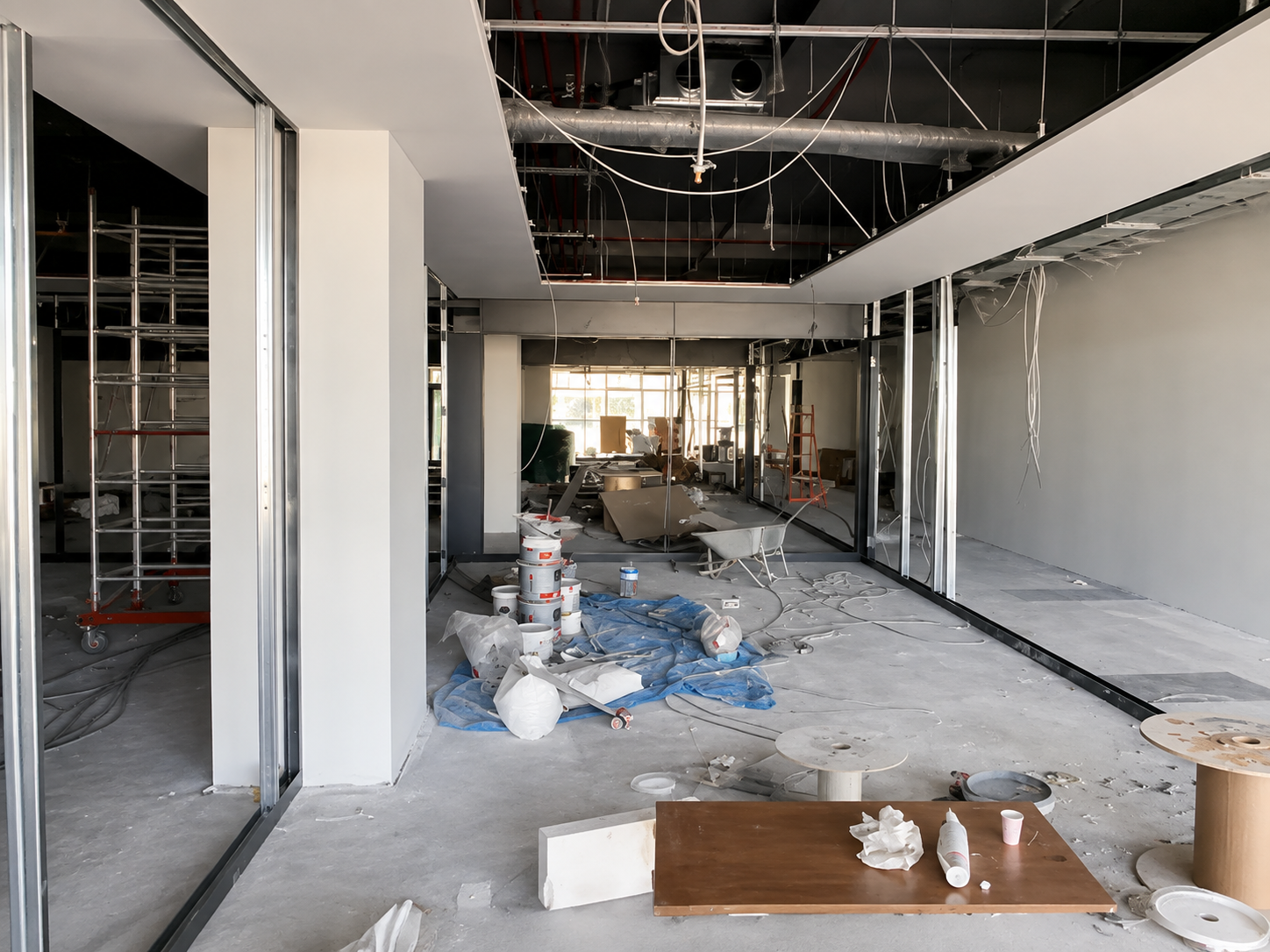
Offices, retail properties and other commercial spaces often require clean and consistent interior finishes. Poorly prepared surfaces can become noticeable once lighting, paint and decorative finishes are applied.
Proper preparation before plastering can help create a more professional appearance and reduce the likelihood of repeated repair work.
For commercial plastering, wall and ceiling work, and surface repair requirements, visit https://www.singcons.com/plaster.php.
FAQ
Why is surface preparation important before plastering?
Surface preparation helps remove dust, dirt, loose materials and surface defects that could affect plaster adhesion and finishing quality.
Can plaster be applied over damaged walls?
It depends on the type and extent of the damage. Cracks, loose plaster, moisture and other underlying problems should generally be assessed and addressed before new plaster is applied.
Does surface preparation improve plaster durability?
Yes. A properly prepared and stable surface can provide better support for plaster and reduce problems related to poor adhesion and surface defects.
Should moisture problems be fixed before plastering?
Yes. Moisture can negatively affect plaster adhesion and durability. The source of moisture should be investigated and resolved before plaster application.
Is surface preparation required for both walls and ceilings?
Yes. Both walls and ceilings require appropriate preparation to achieve a smooth, stable and professional plaster finish.
Conclusion
Proper surface preparation is a fundamental part of quality plaster work. Cleaning the surface, repairing damage, addressing moisture, removing loose materials and creating a suitable base can significantly improve the overall plastering result.
Whether the project involves a new construction, renovation or repair, taking the time to prepare walls and ceilings correctly can help achieve smoother finishes, stronger adhesion and better long-term performance.
For professional plastering, surface preparation, wall and ceiling work, property owners can explore https://www.singcons.com/plaster.php.
Need Professional Plaster Work?
If your property requires wall plastering, ceiling plastering, surface repair or preparation before painting, professional assessment can help ensure the work is completed with proper attention to surface condition and finishing quality. Contact Singcons to discuss your plastering and renovation requirements.