
Introduction
Wall colour is one of the simplest ways to transform the appearance and atmosphere of an interior space. The right colour can make a room feel brighter, more spacious, comfortable, professional, or welcoming.
In Singapore, spaces can vary significantly in size and purpose. A residential bedroom may require calming colours, while an office may benefit from professional and energetic tones. Commercial spaces may need colours that complement branding and customer experience.
Before selecting a colour, it is important to consider the purpose of the space, available lighting, existing furniture, flooring, and the overall interior design.
For professional wall painting and colour guidance in Singapore, you can explore https://www.singcons.com/painting.php.
Choosing Colours for Living Rooms
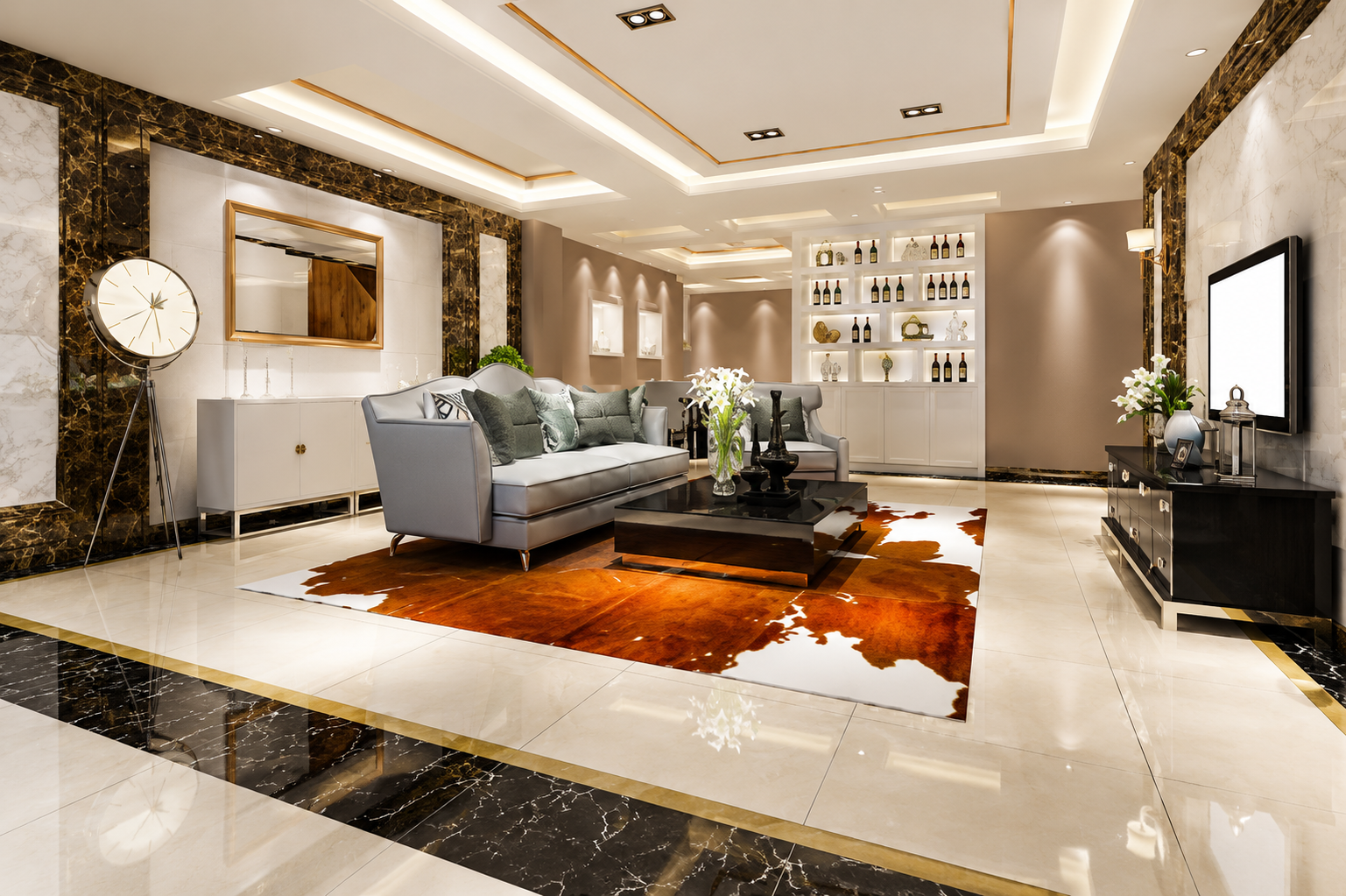
The living room is generally a social and relaxing area, so its colour should create a comfortable and welcoming atmosphere.
Popular choices can include:
- Soft beige
- Warm white
- Light grey
- Cream
- Muted green
- Soft blue
- Neutral earthy tones
Lighter colours can help smaller living rooms appear more open, while slightly deeper accent colours can be used to create visual interest.
When selecting a living-room colour, consider the furniture, curtains, flooring, and amount of natural light entering the space.
Choosing Colours for Bedrooms
Bedrooms usually benefit from colours that create a calm and relaxing environment.
Suitable options may include:
- Light blue
- Soft green
- Warm white
- Beige
- Lavender
- Pale grey
Strong or highly saturated colours can be used as accent walls rather than covering every wall, depending on the desired interior style.
A balanced colour palette can make the bedroom feel more comfortable and visually peaceful.
Choosing Colours for Offices
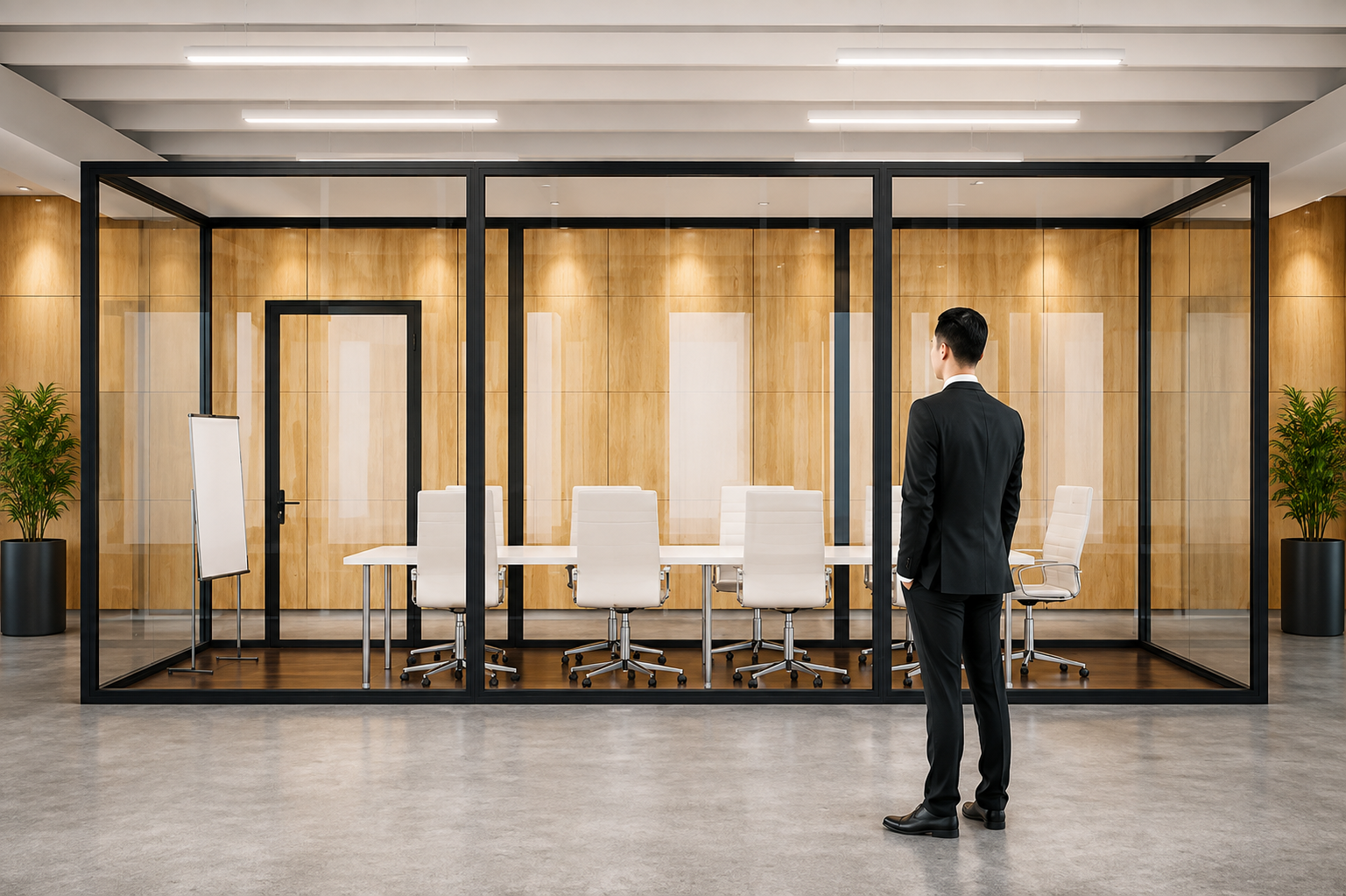
Office environments require colours that support a professional and productive atmosphere.
Neutral shades such as white, grey, beige, and light blue can provide a clean appearance. Businesses may also use selected brand colours as accent walls to strengthen visual identity.
For office painting projects, colour selection should also consider lighting, furniture, partitions, flooring, and the overall workplace design.
Businesses planning professional painting work can refer to https://www.singcons.com/painting.php for painting services in Singapore.
Choosing Colours for Commercial Spaces
Retail stores, restaurants, clinics, showrooms, and other commercial environments may require different colour strategies.
The colour should complement:
- Business branding
- Customer experience
- Interior design
- Lighting
- Furniture
- Signage
- Type of business
For example, a retail space may use accent colours to draw attention to specific areas, while a professional office or clinic may benefit from a cleaner neutral palette.
Colours for Small Singapore Spaces
Many Singapore properties have limited floor space, making colour selection particularly important.
Light and neutral shades can help create a visually open feeling. Colours such as white, cream, pale grey, and light beige can reflect more light and make a room appear brighter.
Using too many dark colours across a small room may make the space feel visually smaller. However, darker tones can still be used effectively on selected walls or architectural features.
Colours for Large Spaces
Larger rooms provide more flexibility with colour selection. Deeper shades can be used to create focal points without necessarily making the room feel closed in.
Large spaces can also benefit from combinations of:
- Neutral base colours
- Accent walls
- Complementary shades
- Textured finishes
- Contrasting architectural elements
The goal should be to create visual balance rather than simply filling the space with colour.
Considering Natural and Artificial Lighting
Lighting can significantly influence how a paint colour appears.
A colour may look different under:
- Natural daylight
- Warm artificial lighting
- Cool white lighting
- LED lighting
Before finalizing a paint colour, it is useful to observe a sample under the lighting conditions of the actual room.
Professional painters can also provide guidance on suitable colour tones and paint options. Singcons' painting service page specifically mentions skilled advice on paint type and colour tone.
For painting requirements involving homes, offices, or other Singapore spaces, visit https://www.singcons.com/painting.php.
Creating Accent Walls
An accent wall can introduce colour without applying a strong shade throughout the entire room.
Accent walls can be used behind:
- Sofas
- Beds
- Reception desks
- Television units
- Dining areas
- Product displays
The accent colour should complement the remaining walls and surrounding furniture.
Matching Colours With Furniture and Flooring
Wall colour should not be selected independently from the rest of the interior.
Consider existing:
- Furniture
- Flooring
- Curtains
- Cabinets
- Doors
- Lighting fixtures
- Decorative elements
For example, neutral furniture can work with a wider range of wall colours, while strongly coloured furniture may require a more balanced wall palette.
Choosing the Right Paint Finish
Colour is only one part of the painting decision. The type of finish can also influence the final appearance.
Depending on the space, homeowners and businesses may consider different paint finishes based on factors such as:
- Cleaning requirements
- Durability
- Surface condition
- Desired appearance
- Room usage
Professional painting services can help assess the space and recommend suitable options. More information is available at https://www.singcons.com/painting.php.
Practical Tips Before Painting
Before starting a painting project, consider these simple steps:
- Identify the purpose of the room.
- Check the amount of natural light.
- Consider existing furniture and flooring.
- Select a primary colour palette.
- Choose an accent colour if required.
- Test colour samples in the actual space.
- Consider the appropriate paint finish.
- Prepare the wall surface before painting.
- Protect furniture and flooring during the work.
- Review the final colour under different lighting conditions.
Frequently Asked Questions
1. How do I choose the right wall colour for my space?
Consider the room's purpose, size, natural lighting, existing furniture, flooring, and overall interior style before selecting a wall colour.
2. Which colours are suitable for small Singapore spaces?
Light and neutral shades such as white, cream, beige, and pale grey can help smaller rooms feel brighter and more spacious.
3. What colours work well for offices?
Neutral shades such as white, grey, beige, and light blue can create a clean and professional office environment. Brand colours can also be used as accent colours.
4. Should I use an accent wall?
Yes. An accent wall can add visual interest without applying a strong colour throughout the entire room. It can be used behind sofas, beds, reception desks, television units, or other focal areas.
5. Does lighting affect how a paint colour looks?
Yes. Natural daylight, warm lighting, cool lighting, and LED lights can all affect how a colour appears. Testing paint samples under the actual room lighting can help with the final selection.
Conclusion
Choosing wall colours for different Singapore spaces requires consideration of room purpose, lighting, space size, furniture, flooring, and overall interior design. A carefully selected colour palette can create comfortable homes, professional offices, and attractive commercial spaces.
Professional painting support can also make the colour selection and application process more organized and efficient. For painting services in Singapore, visit https://www.singcons.com/painting.php.
Why You Need Professional Painting Support
Choosing and applying the right paint involves more than simply selecting a colour. Proper surface preparation, suitable paint selection, accurate application, and attention to lighting and existing interiors can all affect the final result.
Professional painting support can help property owners save time, achieve a more consistent finish, and make better decisions about colours and paint options for their specific space.
Transform Your Space With the Right Colours
The right wall colours can transform an ordinary interior into a more welcoming, comfortable, and visually balanced space. Whether it is a home, office, retail store, or other commercial property, thoughtful colour planning can make a noticeable difference.
With proper colour selection and professional painting application, businesses and property owners can refresh their interiors and create spaces that better match their purpose, style, and environment.
For professional painting services in Singapore, visit https://www.singcons.com/painting.php.