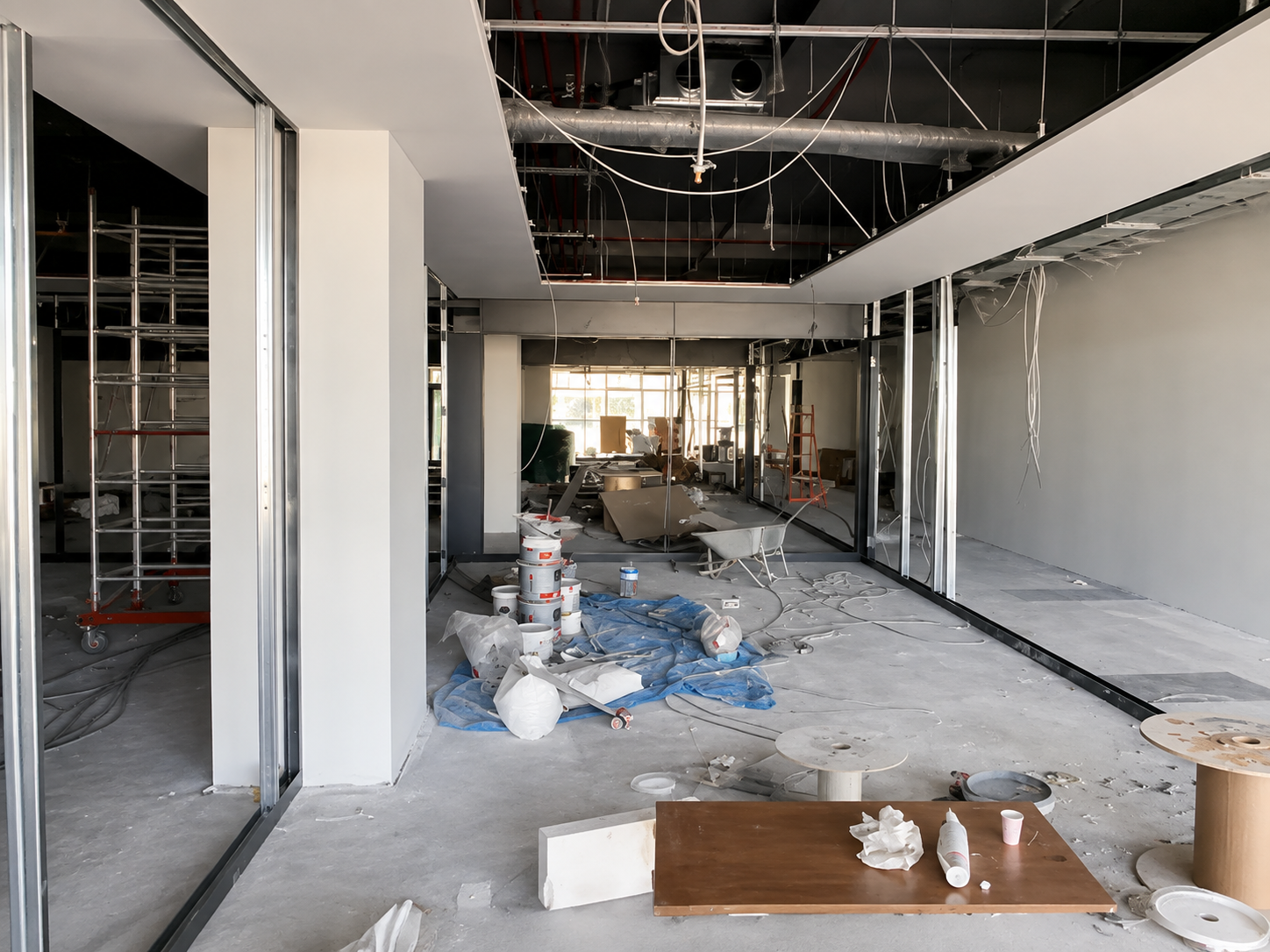

Introduction
A major renovation can completely change the appearance and functionality of a room, but the quality of the preparation before work begins can have a major impact on the renovation process. Moving furniture, protecting existing surfaces, organizing access routes, and preparing the work area can help reduce unnecessary damage and disruption.
Before demolition, removal, or installation begins, it is useful to determine what will be removed, what will remain, and which areas need protection. Preparing the room also gives contractors and workers enough space to carry out their tasks efficiently.
If your renovation involves removing existing finishes, fixtures, partitions, flooring, or other elements, professional reinstatement work can help prepare the space for its next stage. More information is available at https://www.singcons.com/reinstatement.php.
Understand the Renovation Scope
The first step is to understand exactly what the renovation will involve.
Make a simple list covering:
- Items that will be removed
- Items that will remain
- Surfaces that need protection
- Electrical points that may be affected
- Plumbing connections that may be affected
- Areas requiring demolition or dismantling
- Materials that need to enter the room
- Access routes for workers
- Areas that must remain accessible
A clear scope helps prevent confusion once work begins.
Protect Floors and Existing Surfaces
Floor protection should be planned before workers begin carrying tools and materials into the room.
Depending on the existing surface, protection may be required for:
- Tiles
- Hardwood flooring
- Vinyl
- Carpet
- Marble
- Laminate
- Other finished surfaces
The route between the entrance and the renovation area should also be considered. Workers carrying tools, materials, and debris can create risks along these paths, not only inside the main work area.
If existing flooring or other finishes will be removed as part of the project, reinstatement planning should be completed before the renovation starts. You can review professional reinstatement services at https://www.singcons.com/reinstatement.php.
Protect Doors, Walls, and Fixtures
Not everything in a renovation area needs to be removed.
Some elements may remain in place, including:
- Door frames
- Windows
- Cabinets
- Fixed fixtures
- Existing walls
- Architectural features
- Plumbing fixtures
- Electrical fittings
These should be identified before work starts and protected where necessary.
Photographing the room before renovation can also provide a useful record of its original condition. This can help when checking what needs to be restored or reinstated after the renovation.
Check Electrical and Plumbing Requirements
Before major renovation work begins, identify electrical and plumbing services that may be affected.
Depending on the project, this can include:
- Electrical outlets
- Light switches
- Lighting connections
- Water supply lines
- Drainage connections
- Air-conditioning points
- Appliances
- Existing utility access
Do not attempt electrical or plumbing work beyond your qualifications. Coordinate utility isolation and modifications with the appropriate professionals.
Knowing where existing services are located can help reduce unexpected problems during removal and reconstruction.
Prepare for Temporary Changes to Daily Life
A major renovation can make a room temporarily unavailable.
If the room is a:
- Bedroom
- Kitchen
- Bathroom
- Home office
- Living room
plan where normal activities will take place during the renovation.
For example, if a kitchen is being renovated, a temporary food-preparation area may be needed. If a bedroom is affected, another sleeping arrangement should be planned.
The EPA also recommends planning alternative arrangements when renovation work makes essential rooms temporarily inaccessible.
When Reinstatement Work May Be Required
After a major renovation, some areas may need to be restored, repaired, or returned to an appropriate condition.
Reinstatement work may involve activities related to:
- Removing temporary structures
- Restoring affected surfaces
- Repairing walls
- Restoring flooring
- Reconnecting or finishing affected areas
- Preparing spaces for their final use
Professional reinstatement services can help manage the restoration of affected areas after renovation activities. Visit https://www.singcons.com/reinstatement.php to learn more.
Common Preparation Mistakes to Avoid
Leaving Furniture in the Work Area
Furniture can restrict movement and become exposed to dust, debris, or accidental damage.
Protecting Only the Main Room
Dust and worker traffic can extend into hallways and nearby areas. Protection should also consider access routes.
Ignoring Existing Fixtures
Items that are not being replaced still need protection if they are close to the renovation area.
Starting Without a Clear Scope
Unclear renovation plans can lead to delays, unexpected work, and unnecessary disruption.
Forgetting the Final Restoration
Removing items is only one part of a renovation. The space may also require restoration or reinstatement before it is ready for normal use.
Frequently Asked Questions
How should I prepare a room before a major renovation?
Start by understanding the renovation scope, removing furniture and belongings, protecting floors and fixtures, planning dust containment, identifying utilities, and creating a safe access route.
Should all furniture be removed before renovation?
Ideally, furniture that can be removed should be taken out of the work area. Large items that cannot be moved should be positioned away from active work and properly protected.
How can I reduce dust during renovation?
Use appropriate barriers and protective sheeting, isolate the work zone where necessary, protect surrounding surfaces, and follow suitable ventilation and dust-control practices.
Should floors be protected before renovation starts?
Yes. Floors can be exposed to foot traffic, tools, materials, dust, debris, and accidental spills. Protection should also extend along commonly used access routes.
What is reinstatement work?
Reinstatement work involves restoring or repairing areas affected by renovation, alteration, removal, or other building activities so the space can return to its intended condition.
When should I contact a professional reinstatement service?
It is useful to involve a professional when renovation activities affect existing walls, flooring, fixtures, partitions, or other parts of the property that need proper restoration after the work.
Conclusion
Preparing a room properly before a major renovation creates a more organized environment for workers and helps protect the parts of the property that are not being changed. Furniture should be removed or protected, floors and access routes should be covered, utilities should be identified, and dust-control measures should be planned before work begins.
Good preparation also means thinking beyond the demolition or installation stage. The final condition of the room should be considered from the beginning so that restoration and reinstatement requirements can be planned as part of the overall renovation process.
For professional support with restoring areas affected by renovation or alteration work, visit https://www.singcons.com/reinstatement.php.
Need for Proper Renovation Preparation
A major renovation can affect furniture, flooring, fixtures, walls, utilities, and surrounding areas. Proper preparation is needed to reduce avoidable damage, control dust and debris, maintain safer access routes, and keep the renovation process organized.
Transform Your Renovation Space
With proper planning, protection, and professional reinstatement support, a room can move from a prepared work zone to a clean and functional finished space. A structured approach helps make the renovation process more manageable while preparing the property for its next stage.