
Property maintenance is not only about major renovation or large-scale repair work. Many properties require small repairs and adjustments on a regular basis to remain safe, functional and presentable. A loose door handle, damaged fixture, minor wall crack or faulty fitting may appear insignificant at first, but ignoring these issues can sometimes allow them to become more complicated.
Regular attention to minor problems can help property owners identify issues early and maintain their spaces more effectively. Professional https://www.singcons.com/handyman.php services can support homeowners, offices and commercial properties with general repairs, maintenance tasks, fixture installation and other property improvement requirements.
Why Small Repairs Should Be Addressed Early
Small property problems rarely improve on their own. A minor issue may gradually affect surrounding areas or make everyday use less convenient. For example, a loose hinge can put additional pressure on a door, while a damaged fixture may become unsafe with continued use.
Addressing problems early can help reduce disruption and make property maintenance more manageable. It also allows property owners to plan repairs before an issue develops into a larger maintenance requirement.
1. Loose Door Handles and Hinges
Door handles, hinges and other hardware are used frequently and can become loose over time. A loose handle may make a door difficult to operate, while damaged hinges can affect alignment and movement.
These problems should be checked and repaired before they cause further damage to the door or frame. Professional handyman support can be useful when multiple doors or fixtures require inspection and adjustment.
For general repair and maintenance assistance, visit https://www.singcons.com/handyman.php.
2. Damaged Fixtures and Fittings
Fixtures such as shelves, brackets, handles and other fittings can become loose or damaged through regular use. If they are not repaired, they may become unstable or affect the functionality of the surrounding area.
Replacing or securing damaged fittings early can help maintain the usability of a room and prevent avoidable accidents or additional damage.
3. Minor Wall Damage
Small holes, surface damage, peeling areas and minor cracks can affect the appearance of a property. More importantly, some visible damage may indicate that an area needs closer inspection.
Minor wall repairs should therefore be addressed instead of allowing the affected area to deteriorate further. Proper preparation and finishing can help maintain a cleaner and more presentable interior.
4. Cabinet and Furniture Problems
Loose cabinet doors, damaged hinges, unstable furniture and misaligned drawers are common maintenance concerns in homes and commercial spaces. These problems can make everyday activities inconvenient.
Simple adjustments or repairs can often restore proper functionality. Where furniture requires assembly, adjustment or repair, a professional handyman service can help complete the work efficiently.
More information about property repair and maintenance support is available at https://www.singcons.com/handyman.php.
5. Minor Plumbing-Related Issues
A small drip, loose fitting or minor water-related issue should not automatically be ignored. Even a seemingly small leak can contribute to moisture damage if it continues for an extended period.
Property owners should monitor unusual leaks, damp areas and damaged fittings and arrange appropriate professional assistance when necessary.
6. Damaged Floor or Surface Areas
Loose edges, damaged surface sections or minor flooring problems can affect both appearance and safety. Small defects may also become more noticeable with continued foot traffic.
Early inspection and repair can help prevent the affected section from deteriorating further and reduce disruption to the property.
7. Faulty or Loose Wall-Mounted Items
Wall-mounted shelves, brackets, hooks, fixtures and accessories should remain securely attached. If an item becomes loose, it should be checked before continued use.
Repairing or securing these items promptly can help prevent them from falling and causing property damage or injury.
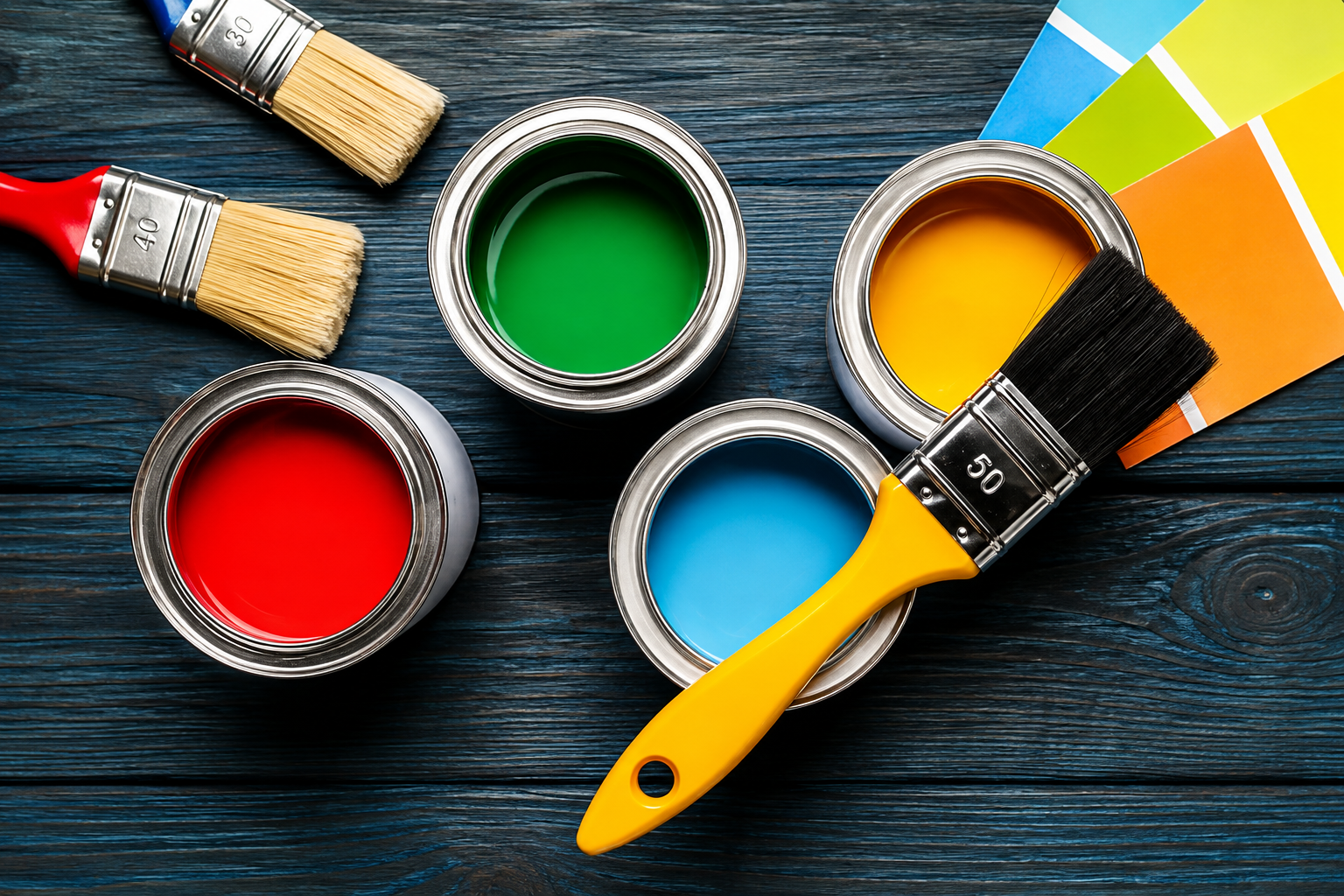
8. Paint and Finishing Damage
Small areas of chipped paint, scuff marks and damaged finishes may seem purely cosmetic. However, damaged surfaces can become more difficult to maintain if they are left untreated for too long.
Touch-ups and minor finishing work can help keep interiors looking clean while protecting affected surfaces.
How Regular Repairs Help Property Owners
Regular maintenance allows property owners to identify minor issues before they become more disruptive. It can also make it easier to organise repair work according to urgency and budget.
A practical maintenance approach should include:
- Checking doors, handles and hinges regularly
- Inspecting visible fixtures and fittings
- Addressing minor wall and surface damage
- Monitoring signs of leaks or moisture
- Checking cabinets and furniture
- Repairing loose or unstable items
- Keeping a record of recurring maintenance problems
For homes, offices, retail spaces and commercial properties, handyman support can make these smaller maintenance requirements easier to manage. Singcons provides handyman solutions covering general repairs, maintenance, installations, furniture assembly, doors and fixtures, and property improvement tasks. https://www.singcons.com/handyman.php
When Should You Call a Professional?
Professional assistance may be appropriate when a repair requires specialised tools, involves multiple areas of the property, creates a safety concern or cannot be completed properly with basic DIY methods.
It is also useful to combine several small repairs into one maintenance visit. This can make property upkeep more organised and reduce the need to repeatedly address individual issues.
FAQ
What are common small property repairs?
Common small repairs include loose handles, damaged hinges, minor wall damage, fixture adjustments, furniture repairs, cabinet issues and other general maintenance tasks.
Why should minor property repairs not be delayed?
Delaying repairs can allow some problems to become more extensive, affect surrounding areas or create additional maintenance requirements.
When should I hire a handyman?
A handyman can be useful for general repairs, fixture adjustments, furniture assembly, maintenance tasks and small property improvement work that requires professional assistance.
Can handyman services be used for commercial properties?
Yes. Handyman services can support homes, offices, retail spaces and commercial properties with various repair, maintenance and installation requirements.
How can regular maintenance protect a property?
Regular maintenance helps identify issues earlier, keeps fixtures and surfaces functional, and can reduce the risk of minor problems becoming larger maintenance concerns.
Conclusion
Small property repairs deserve attention even when they do not appear urgent. Loose fixtures, damaged fittings, minor wall problems, furniture issues and other maintenance concerns can affect the safety, usability and appearance of a property when left unresolved.
Addressing these issues early can help property owners maintain their spaces more effectively and avoid unnecessary complications. For professional assistance with general repairs, maintenance and property improvement tasks, visit https://www.singcons.com/handyman.php.
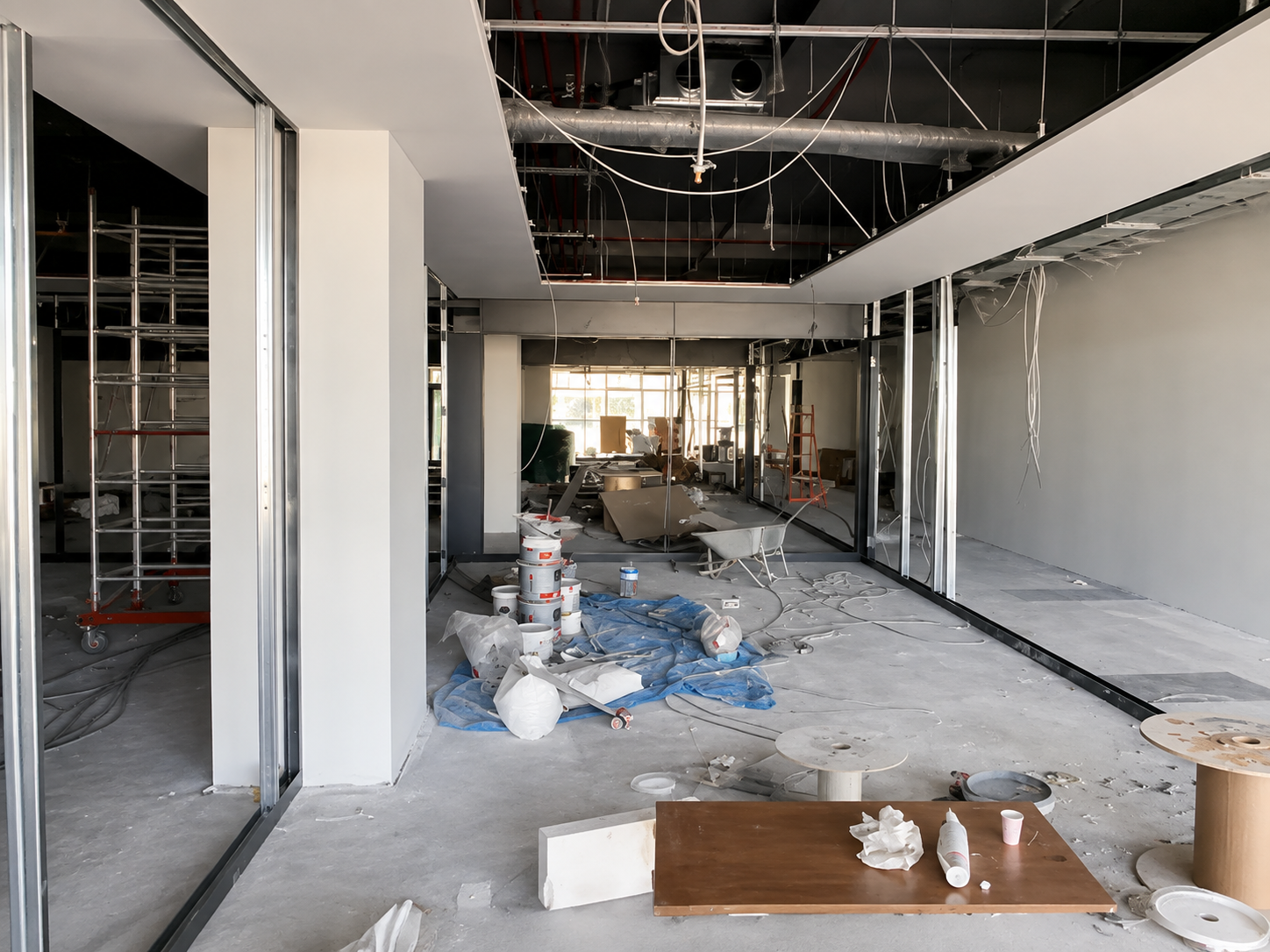
The Need
Every property experiences minor wear and maintenance issues over time. Identifying and addressing these problems early is important for keeping residential, office and commercial spaces functional, safe and presentable.
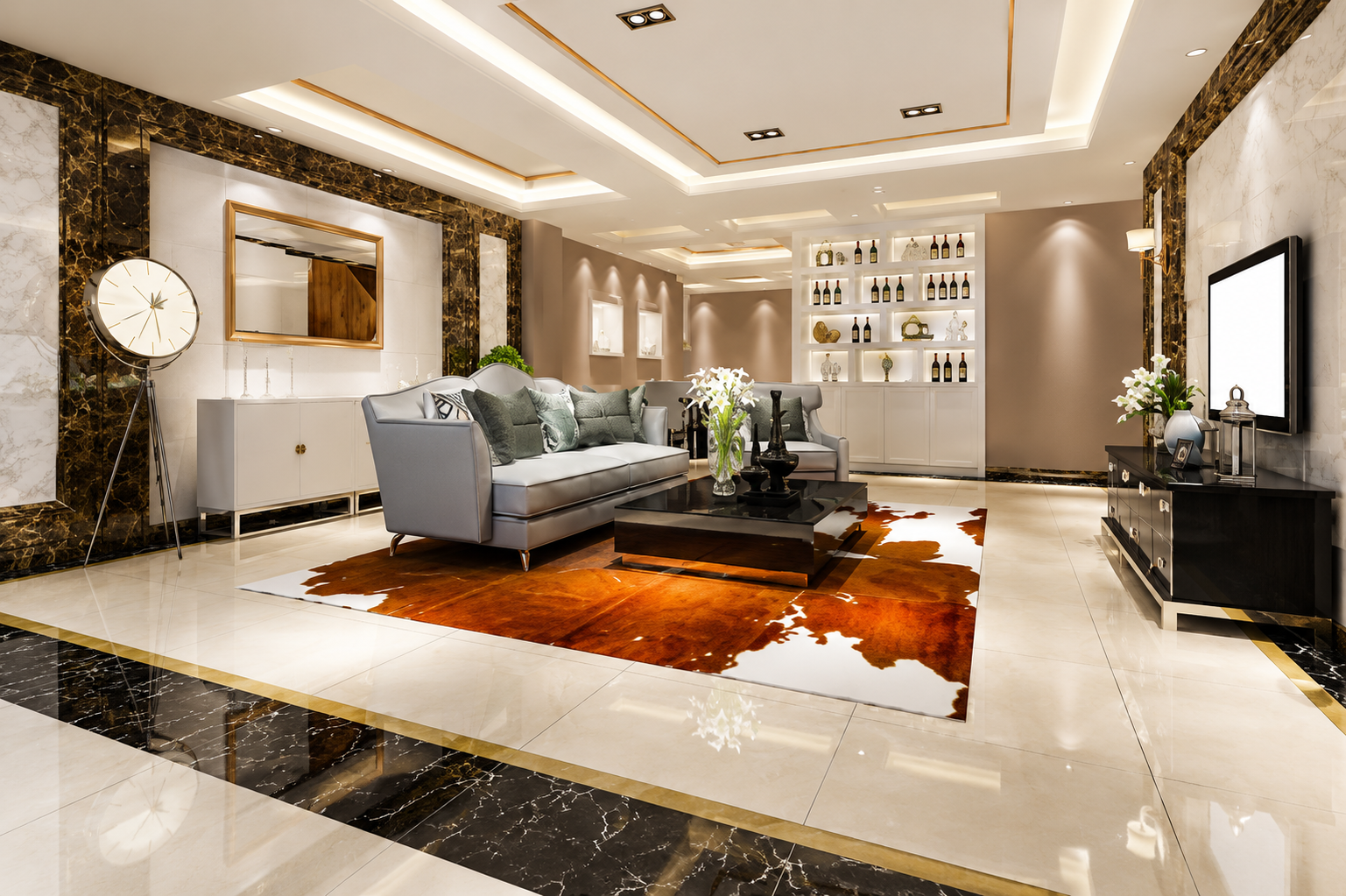
The Transformation
With timely repairs and regular maintenance, small property issues can be managed before they develop into larger concerns. A consistent maintenance approach can help create a cleaner, safer and more comfortable property environment.
For professional handyman support, visit https://www.singcons.com/handyman.php.