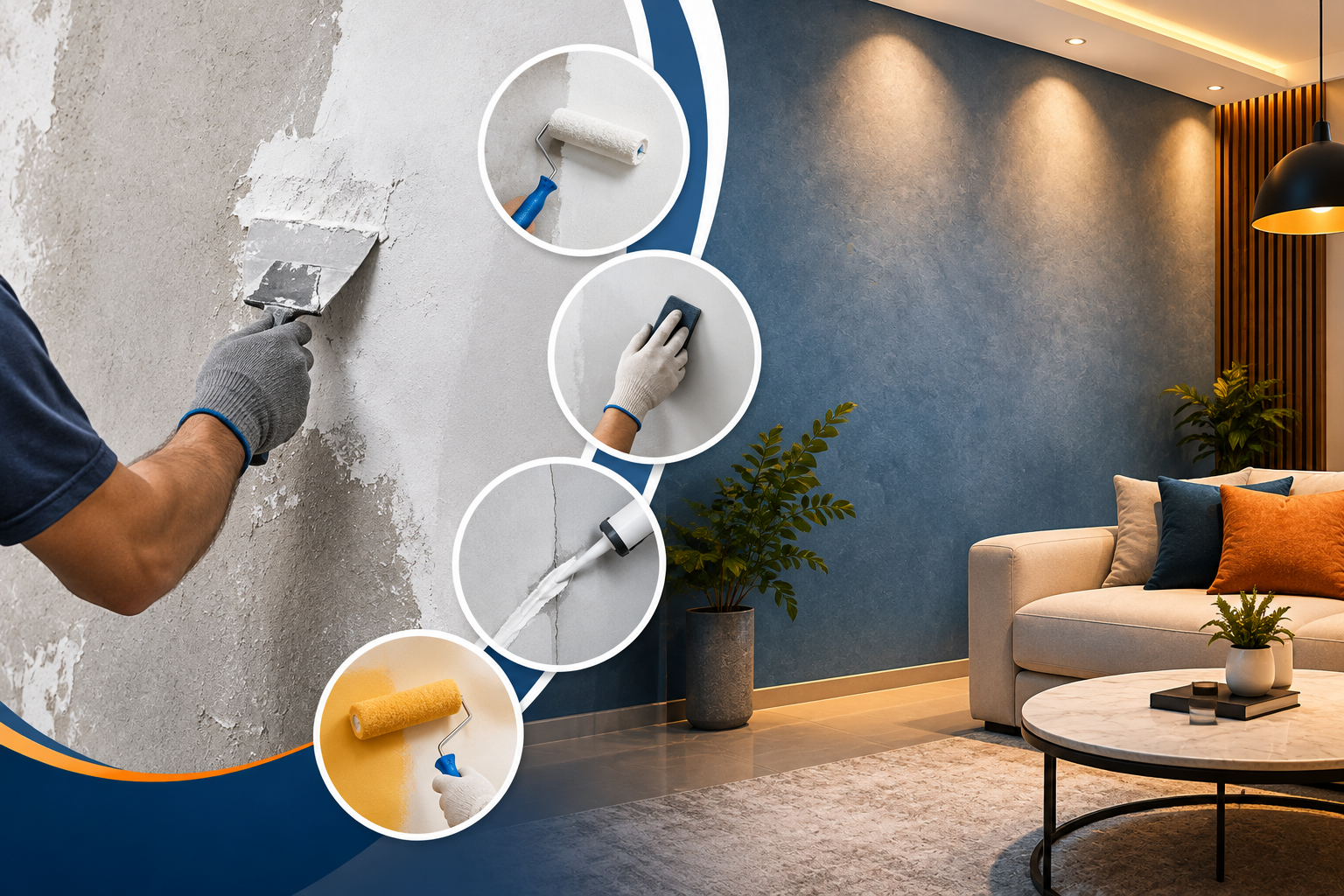
How Proper Wall Preparation Improves Decorative Finishes
A high-quality decorative finish depends on more than the paint, coating or decorative material applied to a wall. The condition of the surface underneath plays an important role in determining how smooth, even and durable the final result will be. Proper wall preparation helps create a stable and uniform base for decorative finishes.
Walls may develop cracks, uneven surfaces, holes, moisture marks and other imperfections over time. Applying a decorative finish without addressing these issues can make imperfections more visible and may affect the overall appearance of the completed space.
Professional plastering and surface preparation can help create a more suitable base for painting and other decorative treatments. For professional plaster work and property maintenance support, visit https://www.singcons.com/plaster.php
Why Wall Preparation Matters
Wall preparation is an important stage before applying paint, coatings or decorative finishes. A poorly prepared wall can result in uneven texture, visible imperfections, poor adhesion and an inconsistent appearance.
Proper preparation focuses on creating a clean, level and stable surface. Depending on the condition of the wall, this may involve removing damaged material, repairing cracks, filling holes, levelling uneven areas and applying suitable plaster or finishing materials.
1. Creates a Smoother Surface
One of the main benefits of proper wall preparation is achieving a smoother surface. Uneven areas, dents and surface imperfections can become highly visible after paint or decorative finishes are applied.
Plaster work can help level irregular surfaces and create a more consistent base. A smooth wall allows decorative finishes to appear cleaner and more uniform.
For professional assistance with wall preparation and plastering requirements, visit https://www.singcons.com/plaster.php.
2. Helps Decorative Finishes Look More Consistent
Decorative finishes are often selected to improve the appearance of interior spaces. However, variations in the underlying wall can affect how the finished surface looks.
Proper preparation helps reduce visible differences caused by uneven surfaces, repaired sections or damaged areas. This can contribute to a more consistent appearance across the wall.
3. Helps Address Cracks and Surface Damage
Small cracks, holes and damaged sections should be assessed before applying a decorative finish. Simply covering these defects may not provide a long-term solution.
Depending on the condition of the wall, damaged areas may need to be repaired and properly prepared before plastering or finishing work begins. This creates a more stable surface for subsequent decorative treatment.
4. Improves Surface Adhesion
The condition of a wall can influence how effectively finishing materials adhere to the surface. Dust, loose material, uneven patches and damaged areas can interfere with the application process.
Cleaning, repairing and preparing the surface helps create a more suitable foundation for paint, coatings and other decorative materials.
5. Supports Better Paint Application
Even when the final goal is simply to paint a wall, preparation remains important. Paint can highlight imperfections rather than hide them, particularly when strong lighting falls across an uneven surface.
A properly prepared and plastered wall can make paint application more straightforward and help produce a cleaner final appearance.
6. Helps Improve the Appearance of Interior Spaces
Walls occupy a large visual area in homes, offices and commercial properties. Uneven or damaged surfaces can make an otherwise well-maintained space appear unfinished.
Proper wall preparation provides a cleaner foundation for decorative improvements and can contribute to a more polished interior environment.
7. Reduces the Risk of Rework
Skipping preparation may save time initially, but visible defects can require corrective work later. Removing and redoing a decorative finish can be more disruptive than preparing the wall correctly from the beginning.
A planned preparation process can help identify potential problems before the final finish is applied.
Common Wall Preparation Steps
The exact preparation process depends on the condition and type of wall. Typical steps may include:
- Inspecting the existing wall surface
- Removing loose or damaged material
- Cleaning dust and surface contaminants
- Repairing cracks and holes
- Levelling uneven areas
- Applying plaster where required
- Allowing repaired areas to dry properly
- Smoothing and preparing the surface
- Checking the wall before applying the final decorative finish
Professional plaster work can be particularly useful where walls have significant unevenness, surface deterioration or multiple areas requiring repair. More information is available at https://www.singcons.com/plaster.php.
Wall Preparation for Different Properties
Wall preparation requirements can vary depending on the type of property.
Residential Properties
Homes often require wall preparation before repainting, renovation or interior upgrades. Proper preparation can help create a cleaner and more attractive finish in bedrooms, living rooms, kitchens and other areas.
Offices
Office walls need to maintain a professional appearance. Surface preparation can help create a uniform base before repainting or applying decorative finishes during office improvement projects.
Commercial Properties
Retail spaces, restaurants and other commercial environments may experience higher levels of daily wear. Proper preparation can help ensure that decorative finishes are applied to a suitable and stable surface.
Why Professional Plaster Work Can Help
Plastering involves more than simply covering an uneven wall. The surface needs to be assessed, prepared and finished appropriately to achieve the required result.
Professional support can be useful when walls have extensive damage, uneven surfaces or multiple areas requiring preparation. It can also help ensure that the wall is ready for the next stage of decorative work.
For plastering and wall-related property improvement services, visit https://www.singcons.com/plaster.php.
How to Maintain Prepared Walls
Once a wall has been properly prepared and finished, regular maintenance can help preserve its appearance.
Property owners can:
- Address cracks when they first appear
- Repair damaged areas promptly
- Keep walls clean
- Monitor signs of dampness or moisture
- Avoid unnecessary impact or damage
- Repaint or refinish surfaces when required
- Arrange professional inspections when significant damage appears
FAQ
Why is wall preparation important before decorative finishing?
Wall preparation creates a smoother and more stable base for decorative materials. It can also help reduce the visibility of cracks, holes and uneven areas.
Can plaster work improve the appearance of a wall?
Yes. Proper plaster work can help level uneven surfaces, repair imperfections and create a smoother base for painting and other decorative finishes.
Can paint hide wall imperfections?
Paint may cover minor surface marks, but uneven areas, cracks and larger imperfections can remain visible or become more noticeable after painting. Proper preparation is generally recommended.
When should professional plastering be considered?
Professional plastering may be appropriate when walls have significant unevenness, damaged surfaces, cracks or areas that require levelling and repair.
Is wall preparation necessary for commercial properties?
Yes. Proper preparation can help commercial properties achieve a more consistent and professional appearance when walls are being repainted or redecorated.
Conclusion
Proper wall preparation is an important part of achieving a high-quality decorative finish. Repairing imperfections, levelling surfaces and applying suitable plaster can provide a stronger and more uniform foundation for paint and other decorative treatments.
Whether it is a home, office or commercial property, investing attention in the preparation stage can help improve the final appearance and reduce the need for avoidable rework. For professional plaster work and wall preparation support, visit https://www.singcons.com/plaster.php.
The Need
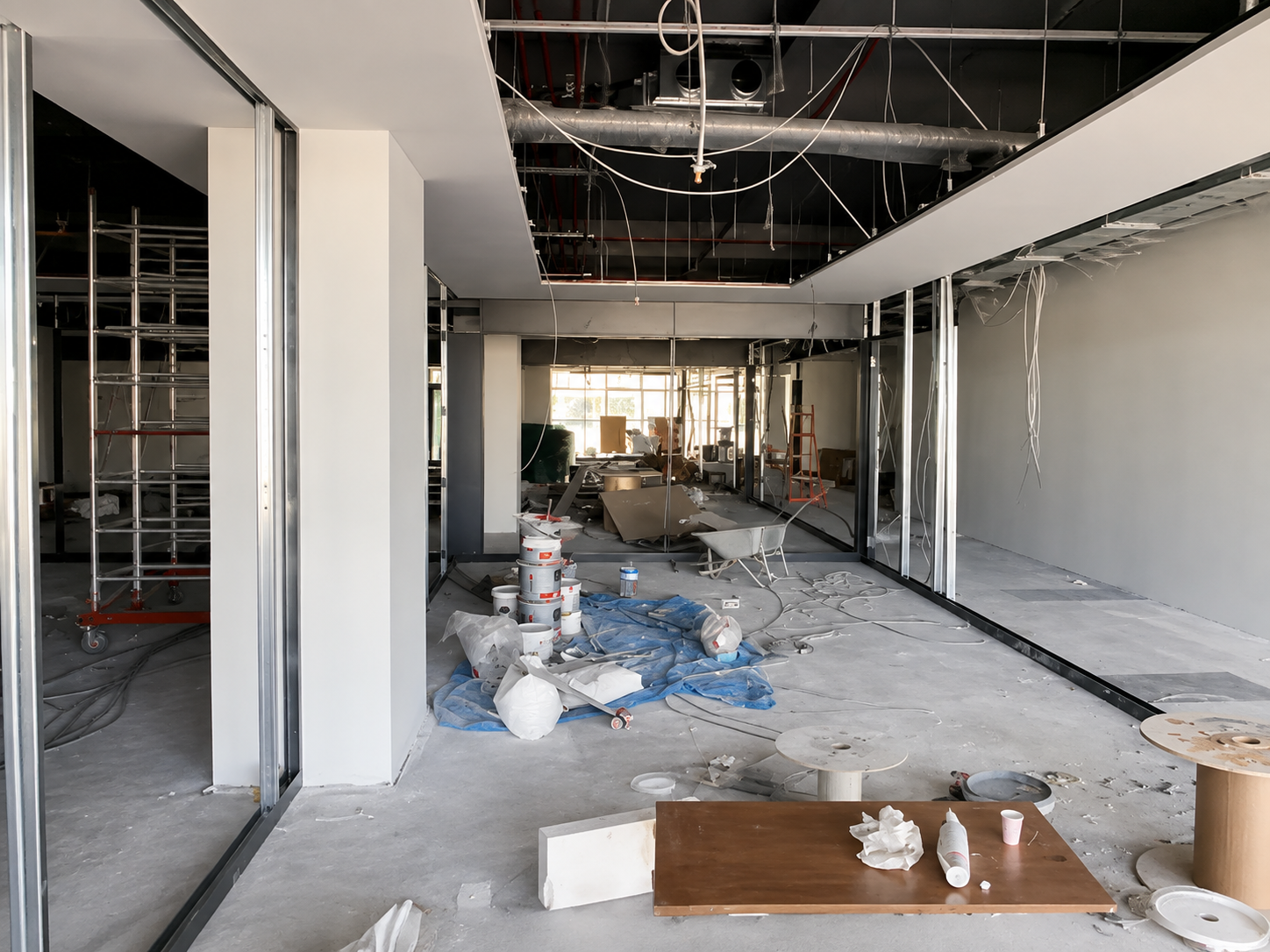
Walls can develop cracks, uneven areas, holes and surface damage through normal use and ageing. Addressing these issues before decorative work is essential for creating a suitable surface.
The Transformation
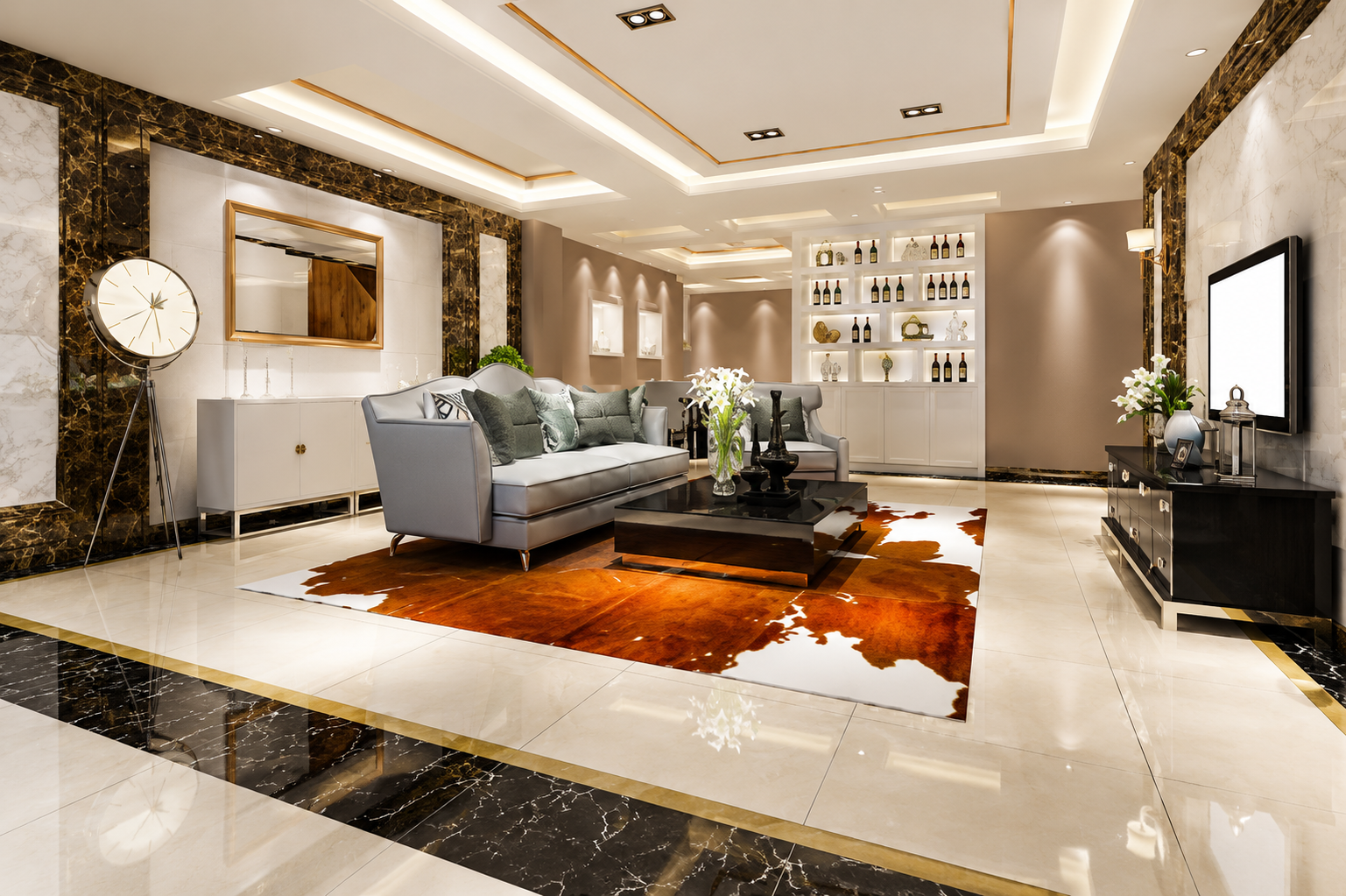
With proper preparation and professional plaster work, uneven or damaged walls can be transformed into smoother, more consistent surfaces that are ready for painting and other decorative finishes.
For plastering and property improvement services, visit https://www.singcons.com/plaster.php.