
Introduction
Commercial flooring plays an important role in the safety, appearance and everyday functionality of a business property. Offices, retail stores, warehouses, workshops and other commercial spaces experience different levels of foot traffic, equipment movement and maintenance requirements. Because of this, flooring should be selected according to the specific needs of the environment.
A complete flooring upgrade should begin with proper planning rather than immediately starting installation. The existing floor condition, project requirements, expected traffic, maintenance needs and available budget should all be considered before work begins.
For businesses looking for a strong and seamless surface, https://www.singcons.com/epoxy.php provides information about professional epoxy flooring solutions suitable for commercial and high-traffic environments.
1. Assess the Existing Floor Condition
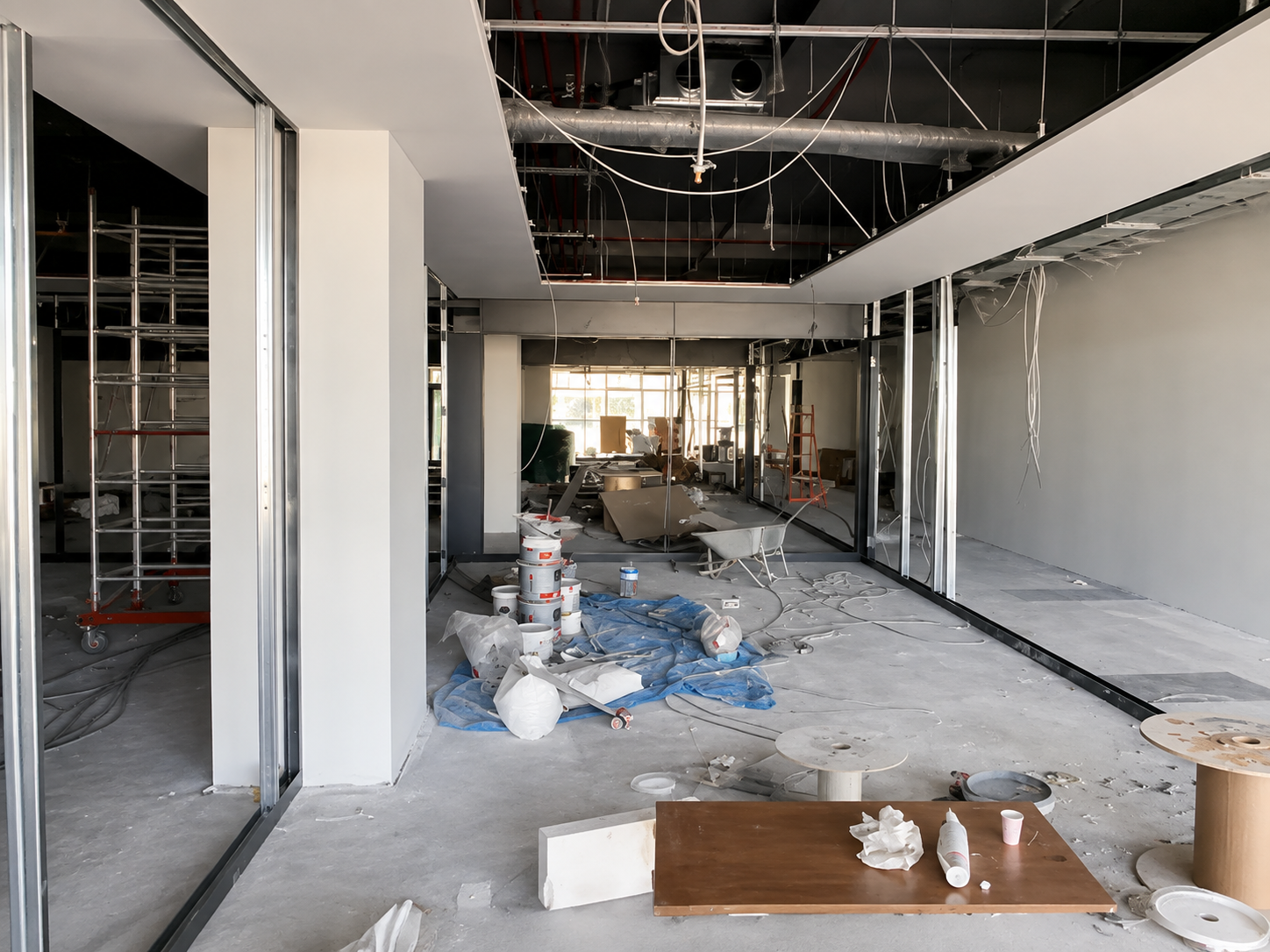
The first step in a commercial flooring upgrade is to inspect the existing surface. Check for cracks, uneven areas, damaged sections, moisture concerns and other conditions that could affect the new flooring.
A proper assessment helps determine whether the existing surface requires repairs, leveling, removal or additional preparation before the new floor is installed.
2. Define the Flooring Requirements
Every commercial property has different flooring requirements. Consider how the space will be used and the type of activity that takes place there.
Important factors include:
- Daily foot traffic
- Movement of equipment
- Cleaning requirements
- Exposure to spills or chemicals
- Expected durability
- Appearance and design
- Maintenance requirements
- Project completion timeline
For example, warehouses and workshops may require highly durable surfaces, while retail and office spaces may place greater emphasis on appearance and easy maintenance.
3. Choose the Appropriate Flooring Solution
Once the requirements are identified, select a flooring system that matches the property's needs. The choice should balance durability, functionality, maintenance and appearance.
Epoxy flooring can be considered for commercial and industrial environments because it provides a seamless surface and is designed for areas exposed to regular traffic and everyday wear.
Businesses can review the available https://www.singcons.com/epoxy.php flooring solution before deciding whether epoxy is suitable for their project.
4. Prepare the Surface Properly
Surface preparation is one of the most important stages of a flooring project. Dirt, damaged areas, uneven surfaces and other existing problems should be addressed before the new flooring system is applied.
For epoxy flooring, the floor should be properly cleaned, repaired and prepared before coating application.
Poor preparation can affect the overall appearance and performance of the finished floor. Taking sufficient time during this stage can help create a better foundation for the installation.
5. Plan the Installation Process
A commercial flooring project should have a clear installation plan. This includes determining the work sequence, preparing materials, coordinating workers and considering how the work may affect normal business operations.
For occupied commercial properties, businesses may need to plan installation during suitable working hours or in phases to reduce disruption.
A professional https://www.singcons.com/epoxy.php flooring process can include site inspection, surface preparation, epoxy application and final inspection.
6. Apply the Flooring System
After the surface has been prepared, the selected flooring system can be installed according to the project requirements.
For epoxy flooring, coating layers are professionally applied to create a smooth and seamless finish. The application method and number of layers can depend on the requirements of the particular project.
Careful application helps maintain consistency across the floor and supports the desired professional appearance.
7. Allow Appropriate Completion Time
A flooring upgrade should not be rushed simply to reopen the area quickly. The project schedule should account for preparation, installation, finishing and any required curing or drying periods.
Businesses should coordinate with the flooring team to understand when the area can safely return to normal use.
8. Complete a Final Inspection
The final stage should include a detailed inspection of the completed flooring. Check the surface for consistency, finishing quality and any visible issues that may require attention.
For epoxy flooring projects, final inspection is part of the structured installation process used to check the completed floor and its overall finish.
9. Plan for Long-Term Maintenance
A flooring upgrade should be viewed as a long-term property investment. After installation, establish a regular cleaning and maintenance routine suitable for the flooring material.
Seamless epoxy surfaces can make routine cleaning and maintenance easier, which can be useful for commercial environments where cleanliness and regular upkeep are important.
Benefits of Proper Commercial Flooring Planning
A structured flooring upgrade can help businesses:
- Improve the appearance of commercial spaces
- Create a more functional working environment
- Select flooring according to usage requirements
- Reduce installation-related disruptions
- Address existing surface problems
- Improve long-term maintenance
- Achieve a consistent and professional finish
FAQ
1. What should be considered before upgrading commercial flooring?
Businesses should consider the existing floor condition, traffic levels, space usage, durability requirements, maintenance needs, appearance, budget and project timeline.
2. Is epoxy flooring suitable for commercial properties?
Epoxy flooring can be suitable for commercial and industrial environments, particularly areas that require durable, seamless and easy-to-maintain flooring.
3. Why is surface preparation important?
Proper surface preparation helps create a suitable base for flooring installation. For epoxy systems, the existing floor should be cleaned, repaired and prepared before coating application.
4. How can businesses reduce disruption during flooring work?
Businesses can plan the project in phases, schedule work during suitable hours and coordinate the installation timeline with the flooring contractor.
5. What is the typical process for epoxy flooring?
A structured epoxy flooring process can include site inspection, surface preparation, epoxy application and final inspection.
Conclusion
A successful commercial flooring upgrade starts with proper planning and continues through assessment, preparation, material selection, installation and final inspection. Each stage contributes to the durability, appearance and functionality of the finished floor.
For commercial spaces requiring a strong and seamless flooring solution, professional epoxy flooring can be considered according to the property's usage and performance requirements. Businesses can explore Singcons' https://www.singcons.com/epoxy.php service to understand its commercial and industrial flooring solutions.
Need
If your commercial property has an ageing, damaged or difficult-to-maintain floor, a planned flooring upgrade can help address existing surface problems while improving the usability and appearance of the space.
Transform
With proper assessment, surface preparation and professional installation, an outdated commercial floor can be transformed into a cleaner, more durable and functional environment designed around the property's everyday requirements.