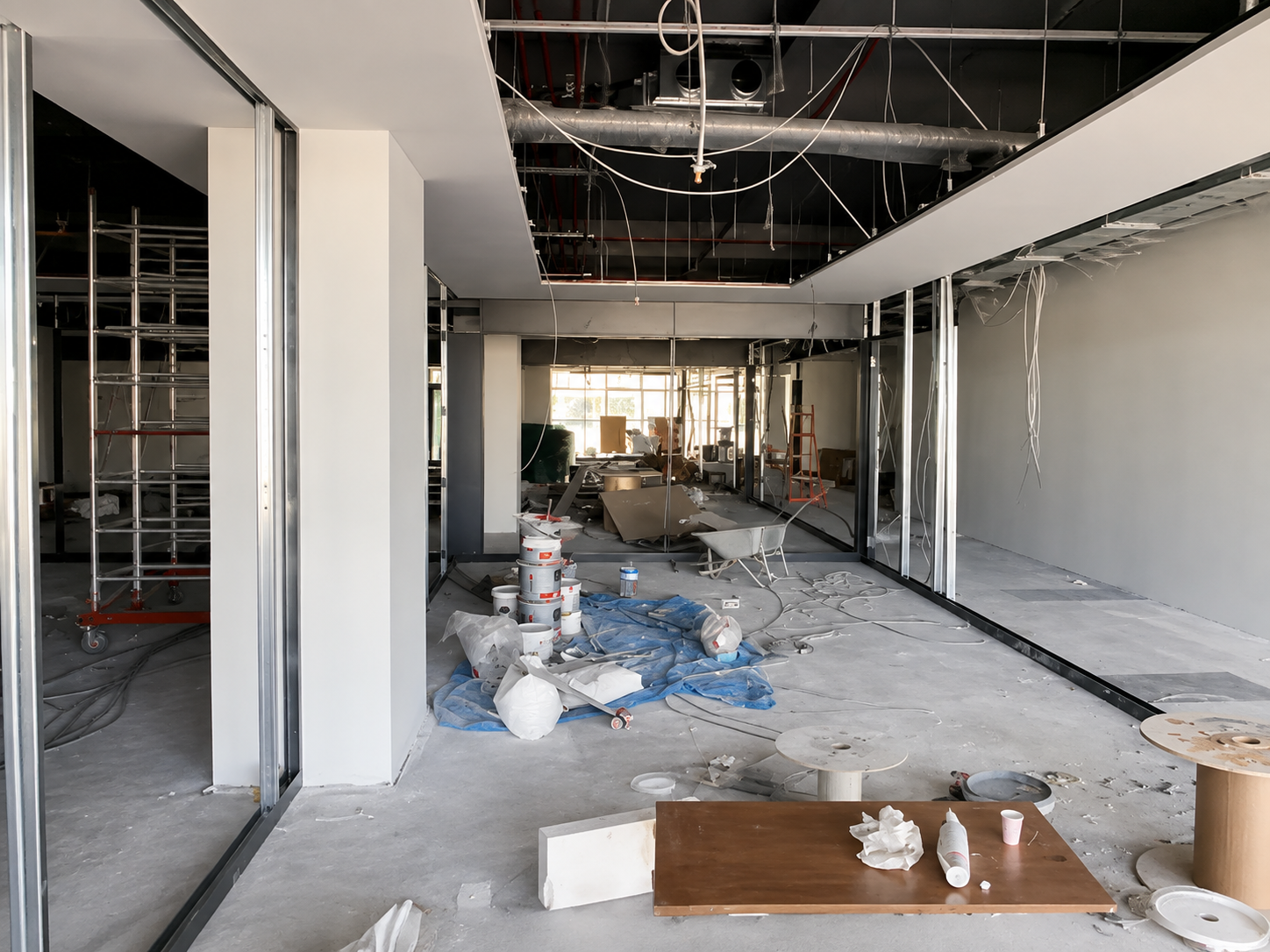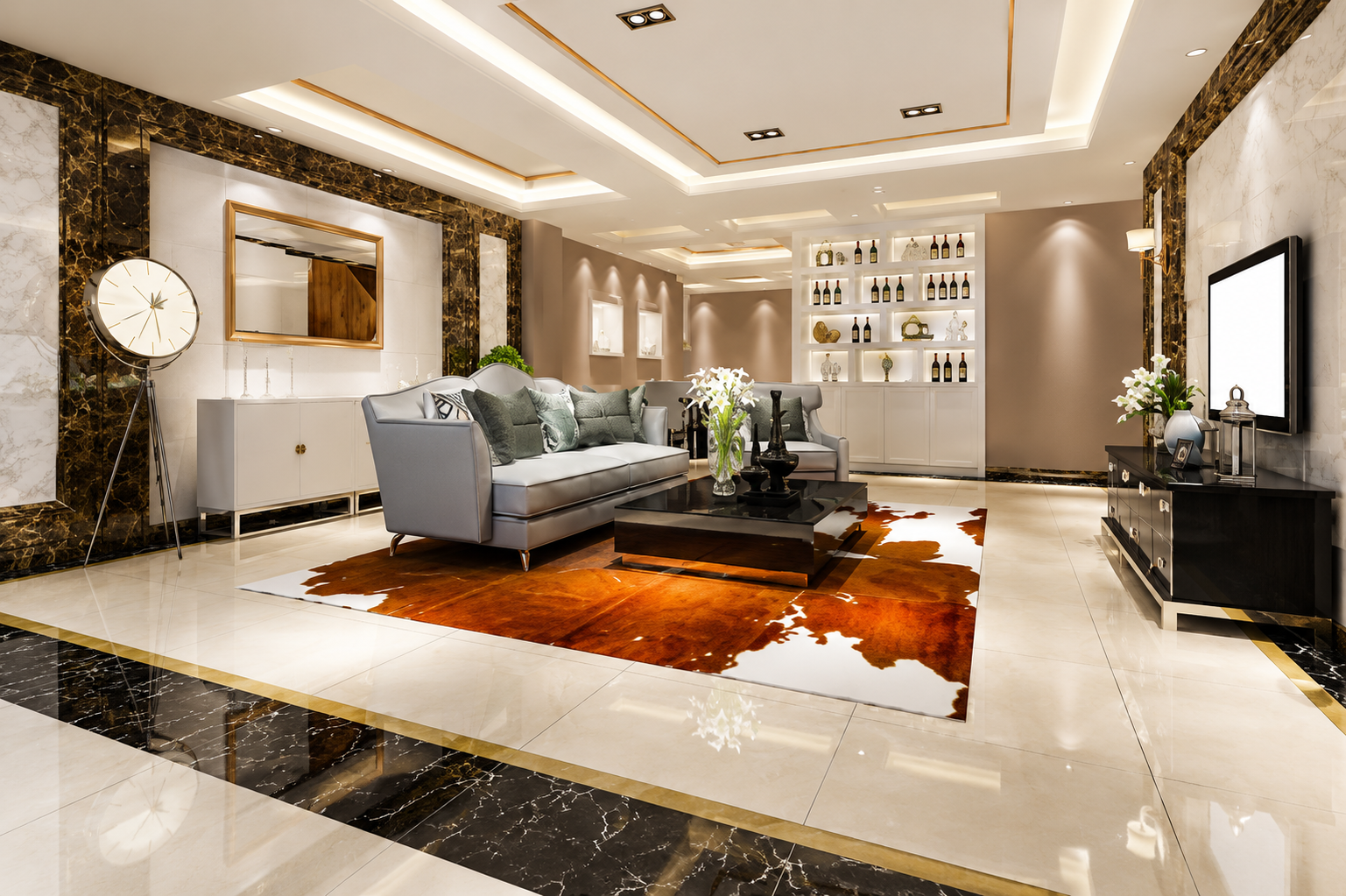

Introduction
Older properties have a unique character, but maintaining them can require regular attention. Over the years, everyday use, humidity, temperature changes, accidental damage, and natural ageing can affect walls, doors, fixtures, cabinets, and other parts of a property.
Some problems may initially appear minor, such as a loose door handle or a small wall crack. However, ignoring recurring maintenance issues can eventually affect the appearance and usability of the space.
Regular property maintenance and timely handyman repairs can help keep residential and commercial properties functional and presentable. For professional handyman solutions, visit https://www.singcons.com/handyman.php.
Common Wall Problems in Older Properties
Walls are exposed to everyday wear and environmental conditions. Older properties may therefore experience several types of wall-related problems.
Cracks and Surface Damage
Small cracks may appear due to ageing, movement, previous repairs, or changes in environmental conditions. Surface damage can also occur when furniture, fixtures, or other objects impact the wall.
Not every crack indicates a major structural issue, but unusual, expanding, or recurring cracks should be properly assessed rather than simply covered with paint.
Peeling Paint
Paint can peel because of moisture, poor surface preparation, ageing, or repeated exposure to humidity. Peeling areas can make an otherwise well-maintained property look worn.
The affected surface should be prepared properly before repainting to achieve a more consistent finish.
Wall Holes and Patches
Removing old fixtures, shelves, frames, or fittings can leave holes and damaged areas. These imperfections can usually be repaired and finished before repainting or redecorating.
Door Problems in Older Properties
Doors experience frequent use, making them one of the most common areas requiring maintenance.
Sticking Doors
A door may become difficult to open or close because of changes in alignment, hinges, moisture-related movement, or general ageing.
Ignoring the problem can place additional stress on hinges, frames, handles, and locks.
Loose or Damaged Hinges
Loose hinges can cause doors to sag, make noise, or become difficult to operate. Tightening or replacing damaged hardware may help restore smooth operation.
Damaged Door Handles
Door handles can become loose, worn, or damaged through repeated use. A faulty handle can affect both convenience and the proper operation of the door.
Door Frame Damage
Older door frames may develop cracks, dents, loose sections, or surface deterioration. Repair requirements depend on the extent and cause of the damage.
Professional handyman support can help address different door and fixture maintenance requirements. More information is available at https://www.singcons.com/handyman.php.
Common Fixture Problems
Fixtures throughout a property can gradually deteriorate because of frequent use.
Loose Handles and Knobs
Cabinet handles, drawer knobs, and other fittings can become loose over time. Although these may seem like small issues, they can affect daily usability.
Damaged Cabinets
Cabinet doors may become misaligned, hinges may loosen, or surfaces may become damaged. Small repairs can often improve functionality without requiring complete replacement.
Worn Shelves and Fittings
Shelves and wall-mounted fittings may become loose or unstable due to repeated use or inadequate fixing. They should be inspected before being used again, particularly when supporting heavy items.
Damaged Hardware
Screws, brackets, hinges, locks, catches, and other hardware can wear out over time. Replacing the appropriate component may restore the function of the fixture.
Moisture-Related Problems
Moisture can contribute to several maintenance issues in older properties. Walls, doors, cabinets, and fixtures may be affected by prolonged exposure to damp conditions.
Signs may include:
- Discolouration
- Peeling paint
- Swollen wooden components
- Musty odours
- Deteriorating surfaces
- Staining around affected areas
The underlying source of moisture should be addressed rather than simply repairing the visible damage. Handyman repairs may be useful for surface and fixture restoration after the underlying issue has been identified.
For property maintenance and handyman requirements, visit https://www.singcons.com/handyman.php.
Why Small Repairs Should Not Be Ignored
Small maintenance issues can gradually become more inconvenient when they are left unresolved.
For example, a loose hinge may eventually affect door alignment, while a small area of damaged paint may expose the underlying surface to further deterioration.
Addressing minor issues early can help property owners:
- Maintain a better-looking property
- Improve everyday functionality
- Reduce repeated inconvenience
- Protect fixtures and fittings
- Keep maintenance more manageable
Handyman Repairs for Residential Properties
Residential properties commonly require repairs involving doors, cabinets, shelves, walls, handles, fittings, and other everyday fixtures.
Regular maintenance can help homeowners keep living spaces functional and comfortable without waiting for multiple minor issues to accumulate.
A professional handyman can assess the condition of different fixtures and carry out suitable repair or replacement work based on the specific requirement.
Handyman Maintenance for Commercial Properties
Commercial properties can experience higher levels of daily usage, particularly in offices, retail spaces, rental properties, and other frequently occupied environments.
Damaged doors, loose fixtures, worn surfaces, or faulty fittings can affect the appearance and usability of the workplace.
Timely maintenance can help businesses keep their premises presentable and reduce disruption caused by avoidable repair issues.
Businesses and property managers can explore handyman services at https://www.singcons.com/handyman.php.
When Should a Professional Be Contacted?
Some basic maintenance tasks may be straightforward, but professional assistance is appropriate when a problem is recurring, difficult to identify, or involves multiple components.
Professional support may be useful for:
- Repeated door alignment problems
- Damaged or unstable fixtures
- Extensive wall damage
- Multiple repair requirements
- Difficult-to-access fittings
- Repairs requiring specialist tools
- Maintenance work across larger properties
A proper assessment can help determine whether a component should be repaired, adjusted, or replaced.
Preventive Maintenance for Older Properties
Regular inspections can help identify problems before they become more noticeable.
Property owners can periodically check:
- Door hinges and handles
- Cabinet fittings
- Wall surfaces
- Shelves and brackets
- Locks and catches
- Visible signs of moisture
- Loose fixtures
- Areas with repeated surface damage
Keeping a simple maintenance schedule can make it easier to track repairs and address recurring problems.
Frequently Asked Questions
1. What are the most common problems in older properties?
Common issues include wall cracks, peeling paint, sticking doors, loose hinges, damaged handles, cabinet problems, worn fittings, and general surface deterioration.
2. Can small wall cracks simply be painted over?
It depends on the cause and condition of the crack. Surface-level imperfections may be repairable, but recurring or expanding cracks should be assessed before covering them.
3. Why do older doors become difficult to close?
Possible causes include hinge problems, alignment changes, moisture-related movement, or deterioration of the door or frame.
4. When should a fixture be repaired instead of replaced?
The decision depends on the condition, function, age, availability of replacement parts, and overall cost. A professional assessment can help determine the practical option.
5. How can older properties be maintained more effectively?
Regular inspections and timely repairs can help identify small problems before they develop into larger maintenance concerns.
Conclusion
Older properties require regular attention because walls, doors, fixtures, cabinets, and fittings naturally experience wear over time. Problems such as cracks, peeling paint, sticking doors, loose hinges, damaged handles, and deteriorating fixtures can affect both appearance and everyday functionality.
Timely maintenance can help property owners keep these issues manageable and maintain a more functional and presentable environment. Professional handyman services can provide practical support for repairing and maintaining different parts of residential and commercial properties.
Need to Transform Your Property Maintenance?
If your property has multiple small repair issues, addressing them together can make maintenance more efficient and improve the overall condition of the space. From wall repairs and door adjustments to fixture replacement and general upkeep, professional handyman support can help restore functionality and appearance.
For handyman repair and maintenance solutions, visit https://www.singcons.com/handyman.php.