
Introduction
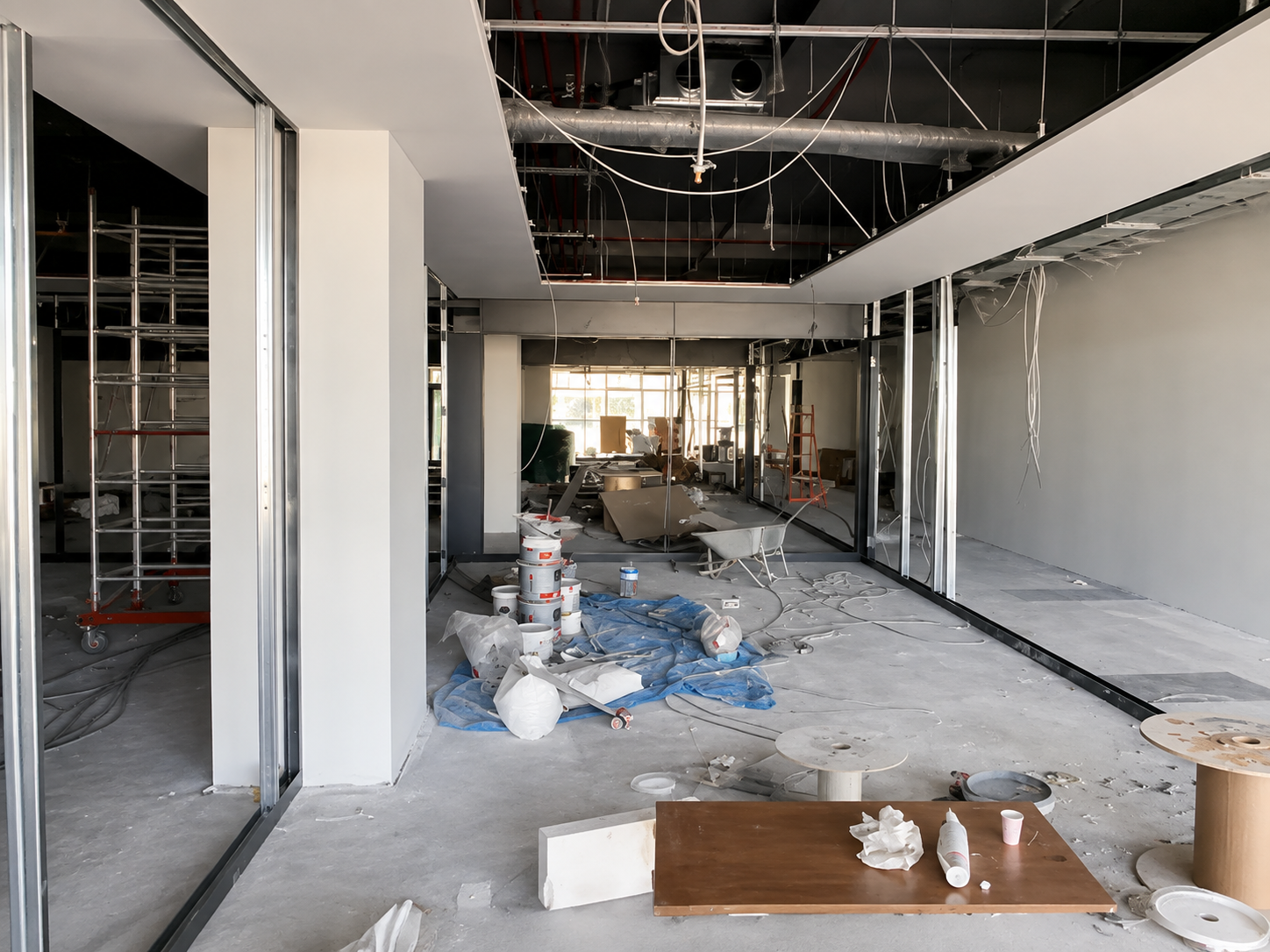
Moving out of an office involves more than simply removing furniture and personal belongings. Commercial premises may need to be returned to an agreed condition before the landlord accepts the handover. This can involve dismantling partitions, removing fixtures, taking out unwanted installations, restoring surfaces, handling cabling, and completing necessary redecoration work.
A well-planned reinstatement project helps businesses avoid last-minute issues and gives contractors enough time to complete the required work. Starting the planning process early also makes it easier to coordinate removal, repair, cleaning, inspection, and final handover activities.
1. Review the Lease and Handover Requirements
The first step is to understand exactly what condition the office needs to be in when it is returned. Businesses should review the lease agreement, reinstatement clauses, landlord requirements, and any approved drawings or specifications.
Create a checklist covering:
- Partitions that need to be removed
- Built-in furniture and fixtures
- Flooring requirements
- Ceiling modifications
- Electrical and data installations
- Wall repairs and repainting
- Doors, glass panels, and other existing property
- Waste removal and cleaning
A clear scope prevents unnecessary work and reduces the possibility of disputes during handover.
2. Conduct an Early Site Inspection
An early site inspection allows businesses and contractors to understand the actual condition of the premises. Existing installations should be documented before dismantling begins.
Photographs and measurements can be useful for identifying areas that require restoration. Any damage or modifications should also be recorded so that the reinstatement team can plan the appropriate repair work.
Professional reinstatement providers can assess the premises and create a practical work plan based on the required scope. More information about commercial reinstatement solutions is available at:
https://www.singcons.com/reinstatement.php
3. Prepare a Detailed Removal Plan
Office reinstatement commonly involves removing partitions, shelves, fixtures, fittings, cabling, and other installations.
Instead of removing everything at once, businesses should prepare a sequence of work. Items that can be reused, recycled, donated, or disposed of should be identified before dismantling starts.
A planned removal process can help:
- Reduce unnecessary waste
- Protect existing property
- Improve site safety
- Organize disposal
- Reduce project delays
- Keep the workspace manageable during the process
4. Plan Repairs and Making Good
Once existing installations have been removed, the premises may require restoration. Walls, ceilings, floors, doors, and other surfaces can show marks or damage after dismantling.
Making-good work may include:
- Filling holes and cracks
- Repairing damaged surfaces
- Restoring walls
- Replacing damaged flooring
- Repainting
- Repairing fixtures
- Restoring doors and glass panels
The objective is to bring the premises back to the condition required for handover rather than simply leaving the space empty.
5. Coordinate Electrical and Data Removal
Modern offices often contain extensive electrical and data infrastructure. Cabling and related installations may need to be removed or adjusted as part of the reinstatement process.
The work should be planned carefully to prevent unnecessary damage to existing building systems. Where specialist electrical work is required, it should be coordinated as part of the overall reinstatement schedule.
6. Set a Realistic Project Timeline
Timing is one of the most important parts of office reinstatement. A project that starts too late can create pressure and may affect the planned handover date.
The schedule should allow sufficient time for:
- Site inspection
- Scope confirmation
- Dismantling
- Removal and disposal
- Repairs and making good
- Painting and finishing
- Cleaning
- Final inspection
- Corrections
- Handover
Professional reinstatement teams may also coordinate work around business schedules and tight deadlines to reduce disruption.
7. Keep the Handover Requirements in Mind
The final stage should not be treated as a simple cleaning exercise. Before handover, the premises should be inspected against the agreed reinstatement scope.
Check:
- Walls and ceilings
- Flooring
- Partitions
- Doors and glass panels
- Electrical installations
- Data cabling
- Fixtures and fittings
- Waste removal
- General cleanliness
- Any landlord-specific requirements
A final inspection provides an opportunity to identify outstanding issues before the landlord's inspection.
For businesses looking for support with commercial reinstatement planning and execution, visit:
https://www.singcons.com/reinstatement.php
Frequently Asked Questions
What is office reinstatement?
Office reinstatement is the process of restoring a commercial premises to the condition required by the landlord or lease agreement before the tenant hands back the property.
When should office reinstatement planning begin?
Planning should ideally begin well before the lease expiry or agreed handover date. Early planning gives businesses enough time to review requirements, obtain quotations, schedule contractors, and address unexpected issues.
What work is usually included in office reinstatement?
Depending on the premises and lease requirements, work can include removing partitions, fixtures, fittings, cabling, unwanted installations, repairing surfaces, repainting, replacing flooring, and cleaning the premises.
How can businesses avoid reinstatement delays?
Businesses can reduce delays by confirming the scope early, conducting a site inspection, preparing a detailed schedule, coordinating different trades, and allowing time for final corrections before handover.
Is professional reinstatement support useful for commercial offices?
Yes. Professional contractors can coordinate dismantling, restoration, removal, repair, and finishing work under one planned schedule, which can make the handover process more organized and efficient.
Conclusion
Office reinstatement requires careful planning, coordination, and attention to handover requirements. Starting early allows businesses to understand the scope, organize removal work, repair affected areas, coordinate electrical and data requirements, and complete final inspections without unnecessary pressure.
A structured reinstatement plan can help businesses control project timelines, reduce avoidable issues, and prepare the premises for a smoother commercial handover. For professional support, businesses can explore:
https://www.singcons.com/reinstatement.php
Need Professional Office Reinstatement Services?
Planning to vacate your commercial office or prepare a premises for landlord handover? Professional reinstatement support can help manage dismantling, removal, repairs, making good, redecoration, and final preparation according to the required scope.
Get your commercial premises ready for a smooth and timely handover with a properly planned reinstatement approach.